Cognition of Learning: A Teacher's Guide
Dive into the captivating realm of cognitive learning. Unravel how memory, attention, and perception mold our learning processes and educational achievements.


Dive into the captivating realm of cognitive learning. Unravel how memory, attention, and perception mold our learning processes and educational achievements.
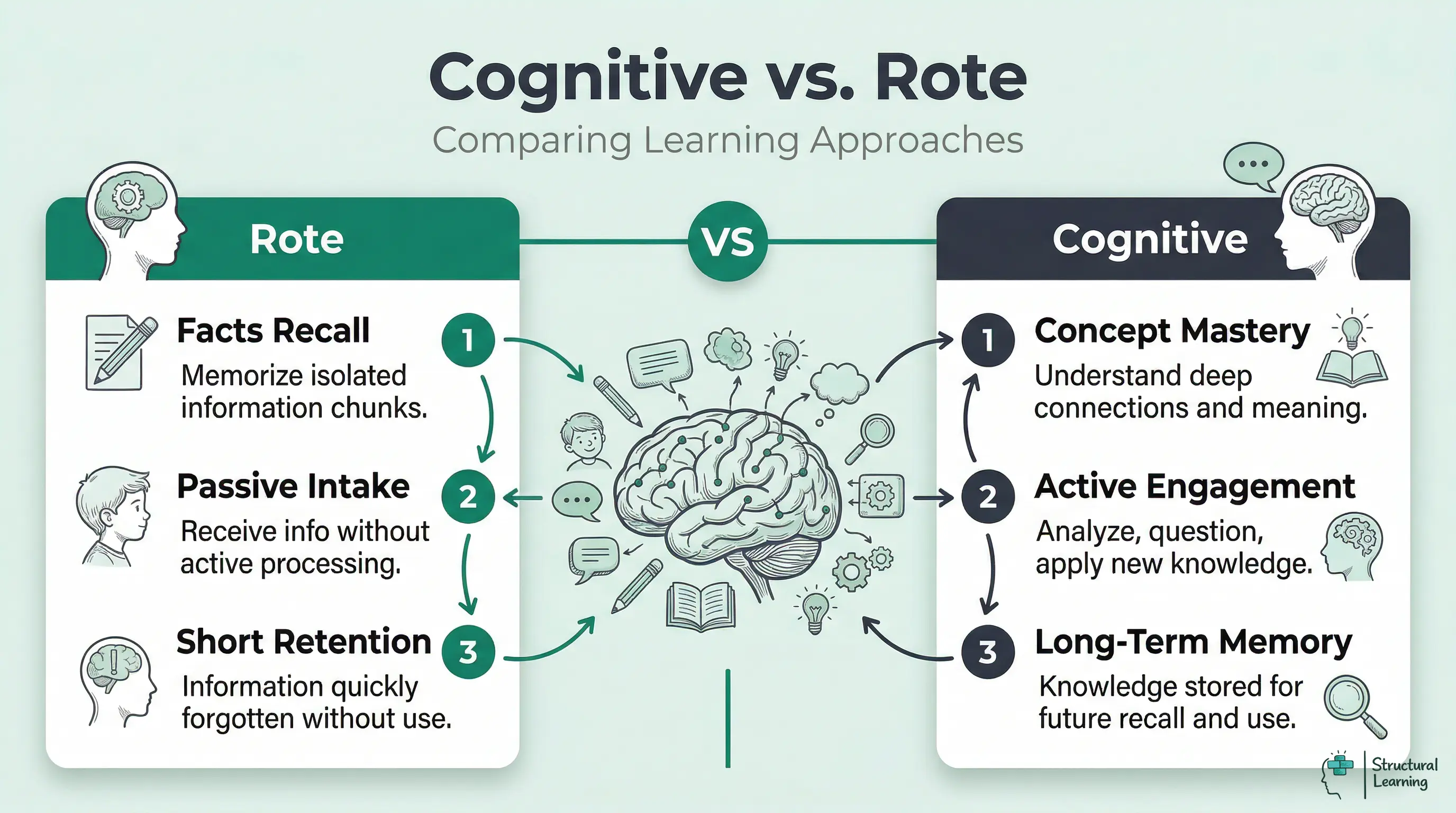
Cognition involves mental processes for learning, like attention and memory. Understanding cognition helps teachers design better lessons for learners. This means teachers move beyond rote learning (Bjork, 1994). Effective programs accommodate different learning styles (Gardner, 1983; Sternberg, 1985).

The Cognition of Learning is an essential concept in understanding how individuals learn and process information. Cognition refers to the mental steps that are used to acquire, process, and understand information.
On the other hand, learning is a process by which knowledge is created and results in mental representations or associations due to experience. Both cognition and learning are interrelated and fundamental to the process of developing effective educational programs and practices.

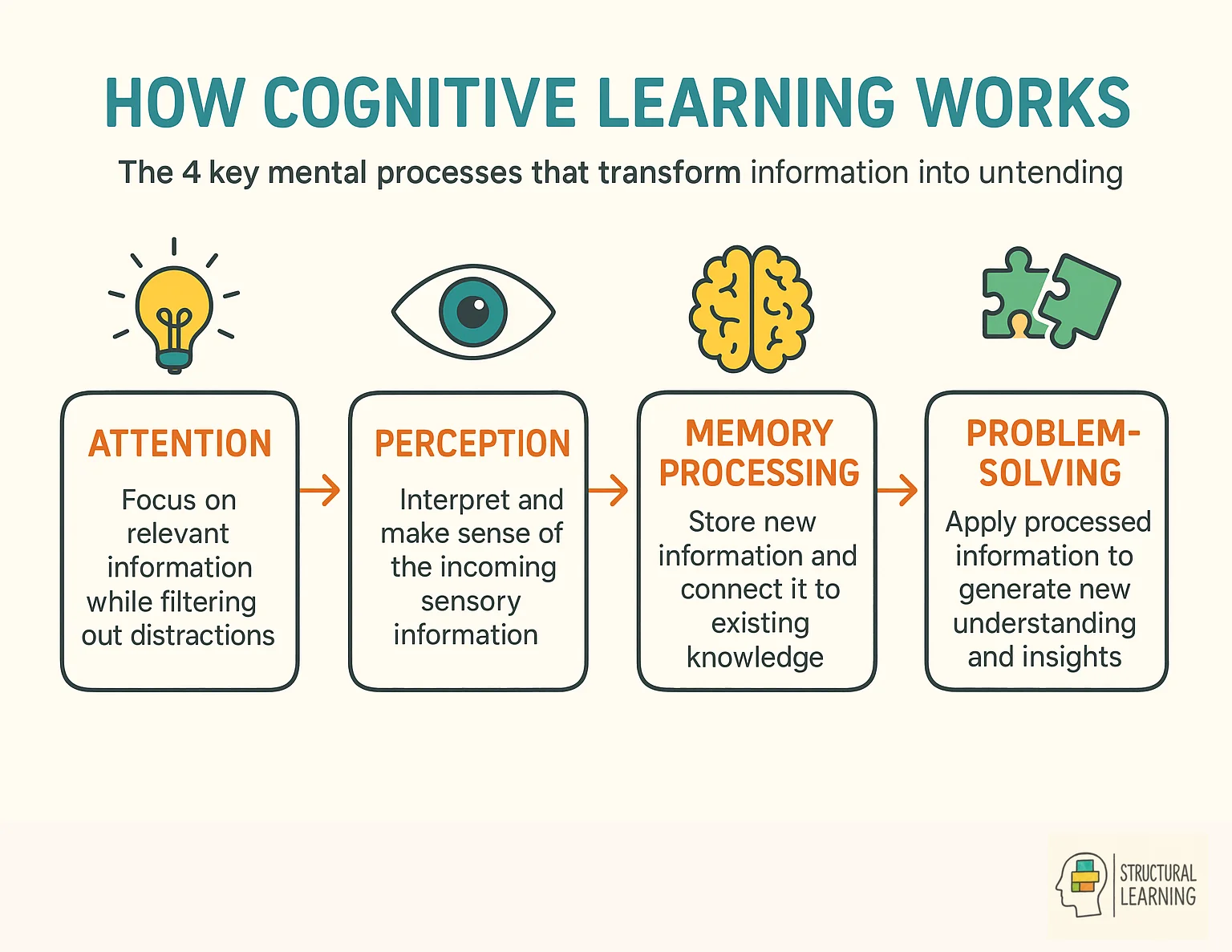
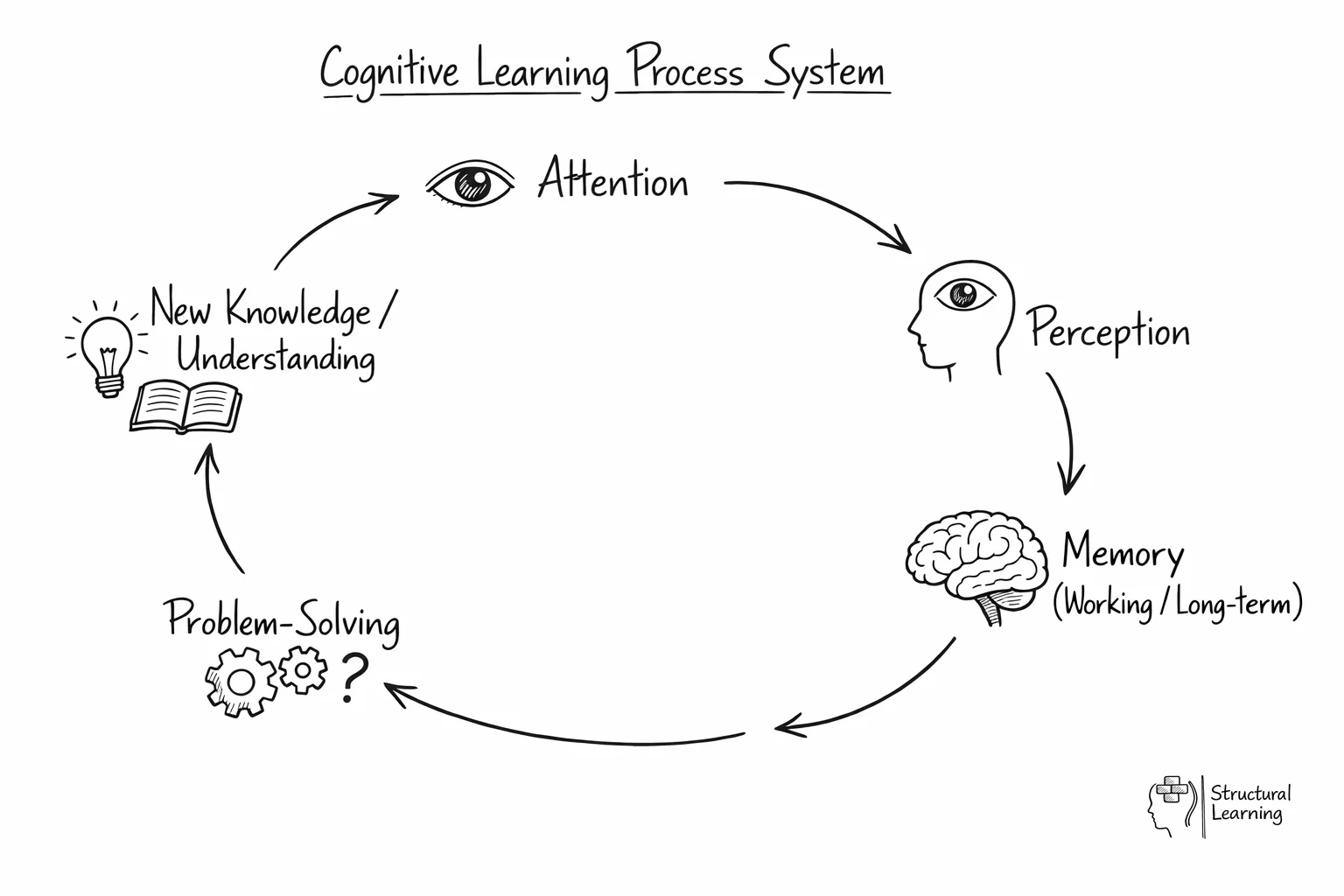
Cognitive learning concerns how learners gain and use knowledge. It includes attention, memory, and problem-solving (Anderson, 1983). Meaningful learning and teamwork help learners understand subjects better (Brown et al., 1989; Collins, 1988). Use cognitive skills to help learners build understanding (Resnick, 1987).
Cognitive learning means learners learn in various ways; teaching should reflect this. Hands-on activities, experience, observation, and problem-solving are all useful tools. (Bruner, 1961; Kolb, 1984; Piaget, 1936)
Researchers (e.g., Immordino-Yang & Fischer, 2010) note relationships matter in learning. Knowing how learners think helps build effective education (e.g., Willingham, 2009). This knowledge helps improve experiences and supports long-term learning (e.g., Bjork & Bjork, 2011).

Cognition and learning link closely. Cognition means mental processes, like using information (Anderson, 1983). Learning gains learners new skills (Bloom, 1956). Cognition enables learning. Learners understand and create knowledge (Piaget, 1936).
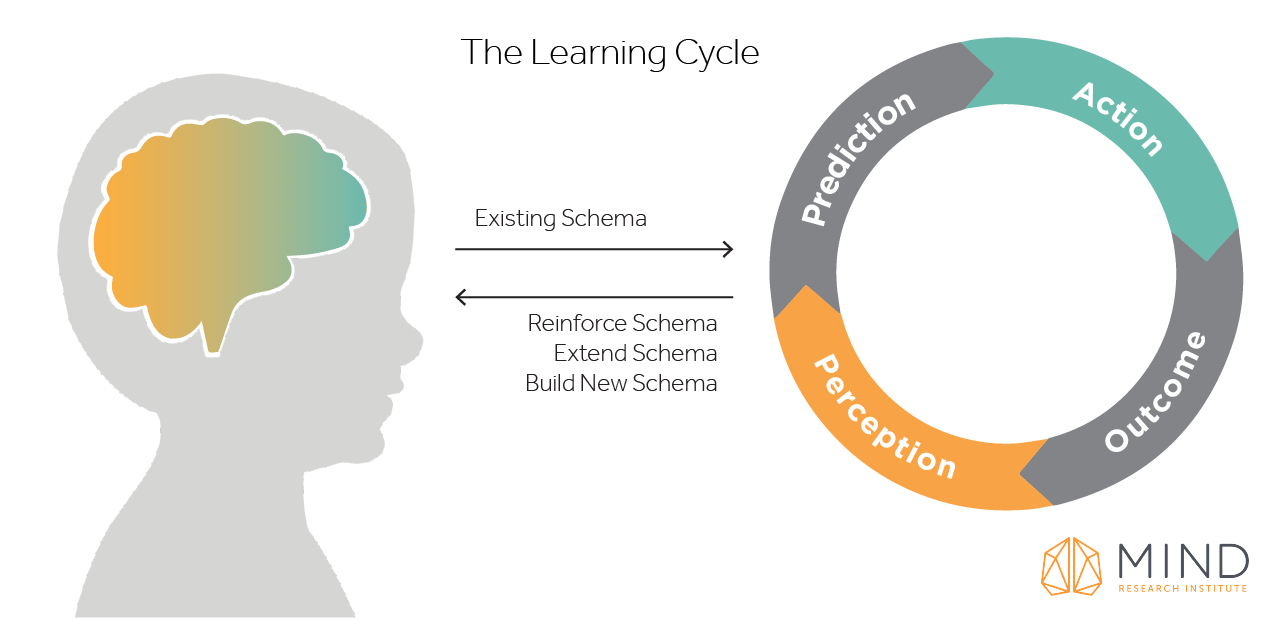
Cognitive processes like attention and memory impact learning. Learners take in new information through these processes. They process it and connect it to existing knowledge, (Anderson, 1983). This builds new understanding (Bransford et al., 2000; Brown et al., 1989).
Therefore, cognition and learning go hand in hand, as cognition serves as the foundation for the learning process. Without cognition, individuals would not be able to effectively acquire, process, and use new information, thus hindering their ability to learn and grow.
Researchers like Piaget (1936) and Vygotsky (1978) show cognition shapes learning. Consider this when planning lessons. Effective teaching boosts cognitive skills, enabling deeper understanding.
Memory impacts learner achievement; what is remembered matters (Baddeley, 1992). Working memory's limits affect processing (Cowan, 2010). Learners with stronger memory link new and existing knowledge better. Learners facing memory issues may forget instructions or processes. Use visuals and practice to support memory (Gathercole & Alloway, 2008). Break down information into smaller chunks.
Memory plays a crucial role in the learning process. It enables us to encode, store, and retrieve learned information. Encoding refers to the process of converting information into a format suitable for memory storage. Storage involves maintaining the encoded information in our memory, while retrieval involves accessing and using the stored information.
Baddeley (1992) found working, short-term, and long-term memory exist. Working memory actively processes information, Baddeley (1992). Miller (1956) showed short-term memory holds data briefly. Atkinson & Shiffrin (1968) stated long-term memory can store information permanently.
Learners remember information better with attention, motivation, and repetition. Attention helps learners focus (Cowan, 2010). Motivation increases learner interest in the subject. Repetition builds memory by reinforcing neuron connections (Cowan, 2010).
Memory is essential in the learning process. The encoding, storage, and retrieval of information are essential components of effective learning. Understanding the different types of memory, as well as the factors that influence memory retention, can help individuals improve their learning outcomes.
Weinstein and Mayer (1986) showed learners gain from elaboration, organisation, and self-questioning. These strategies improve understanding more than memorisation. Teach strategies directly; modelling and practice help learners explain thinking (Brown et al., 1983).
Weinstein and Mayer (1986) said learners use cognitive strategies to understand and remember information. These techniques, like active discussion, build crucial thinking skills. Problem-solving and using learning tools also help learners succeed (Weinstein & Mayer, 1986).
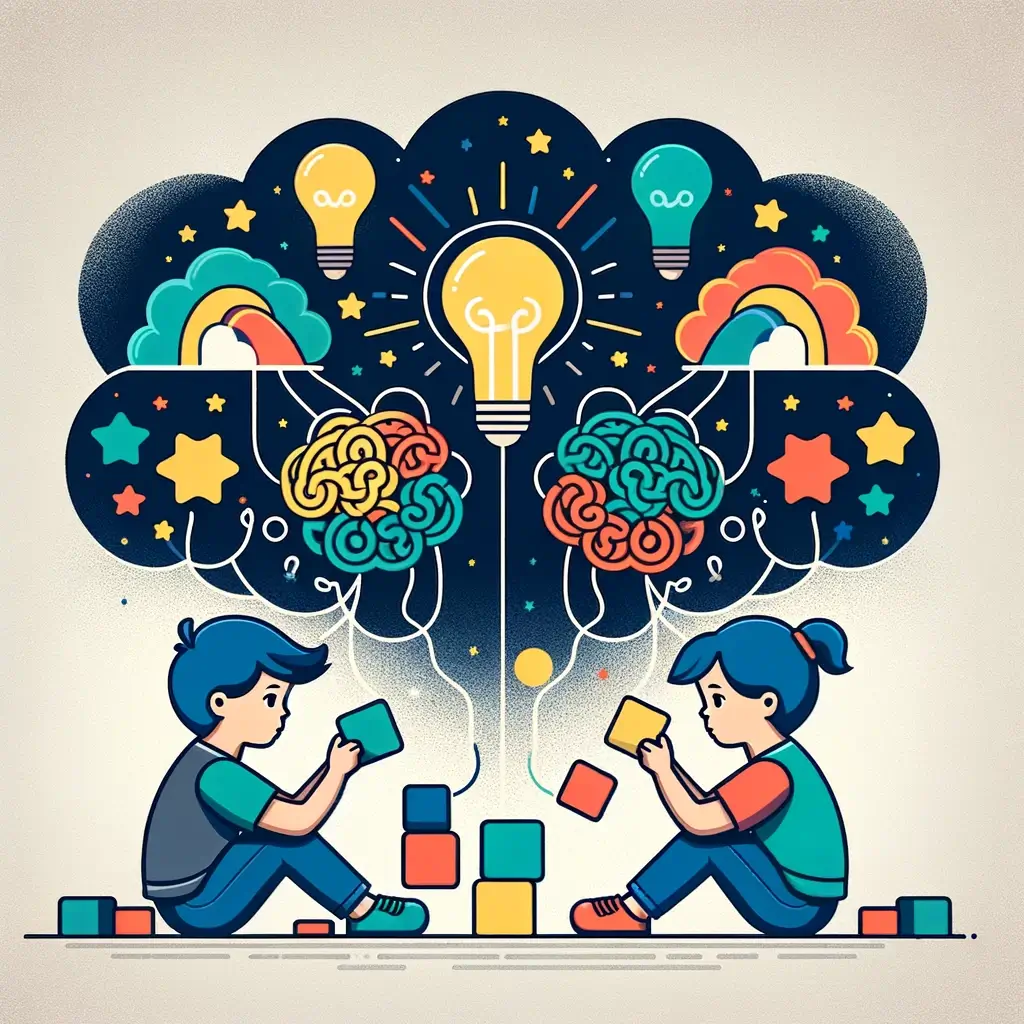
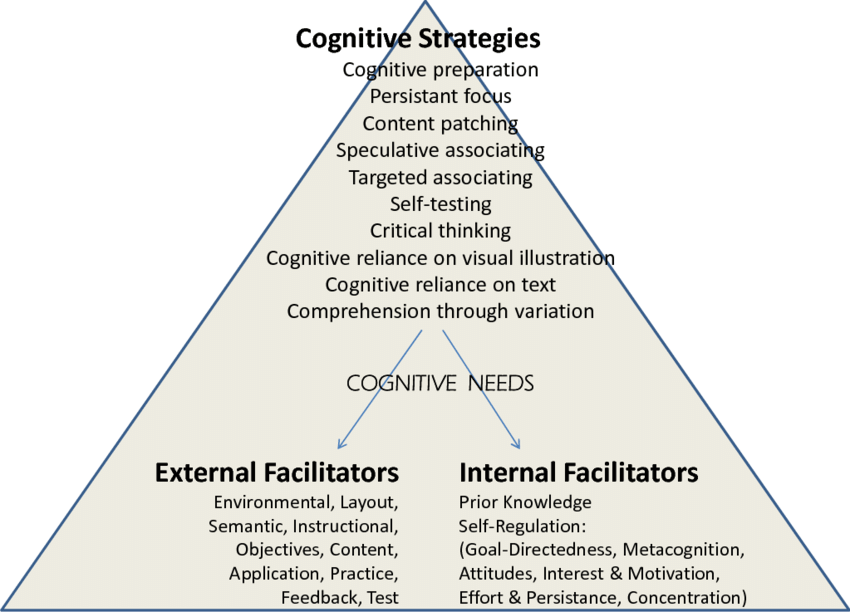
Cognitive strategies involve finding and sorting key information. Learners should summarise main points and test themselves (Bjork, 1994). Discussion boosts learning as learners talk and think with classmates (Smith & Jones, 2018).
Cognitive strategies help learners understand, remember, and solve problems. Learners using these strategies process complex information better. This leads to a more engaging learning experience (Smith, 2024).
Cognitive skills help learners retain and use new ideas. Active discussion, summaries, and self-testing work well (Brown et al., 2014). These techniques improve a learner's thinking skills (Willingham, 2009). This leads to better achievement, say Bjork and Bjork (2011).

Attention lets learners access information for processing (Posner, 1980). Learners with attention issues may miss key instructions (Smith & Jones, 2010). Teachers can help attention by reducing distractions and using clear cues (Brown, 2005). Movement breaks also improve focus (White et al., 2015).
Attention affects how learners process and remember information. Focused learners absorb information well, say research by (researcher names, dates). This helps them recall and retain what they learn effectively.
Mindfulness improves focus, say researchers (e.g., Brown & Ryan, 2003). Learners gain control over thoughts, blocking distractions. Reducing interruptions, like device use and noise, boosts attention (e.g., Newport, 2016) and may help learners achieve more.
Research by Johnston and Dark (1986) shows selective attention aids learning. Learners focus on key information and filter out distractions. Techniques like chunking or visual aids develop selective attention (LaBerge, 1995). This helps learners process and retain information better (Posner, 1980).
Researchers (e.g., Jha et al., 2019) show attention is vital for learning. Mindfulness improves focus. Teachers can limit distractions. Selective attention strategies (Posner, 2004; Chun et al., 2011) may help learners achieve better results.
Researchers like Ayres (1972) showed sensory input impacts how a learner understands information. Some learners find standard teaching difficult due to sensory sensitivities. Teachers can help by changing fonts, lighting, or using headphones, says Grandin (1995).
Perception and cognition are two vital components that work together in the learning process. Perception refers to the interpretation of sensory information, and cognition involves the mental processes that take place as we acquire knowledge and understanding.
Studies by Gibson (1966) and Neisser (1967) show perception shapes learning. Learners focus attention and process information when they interpret sensory data. This improves comprehension and memory, as research by Anderson (1983) confirms.
Visual perception helps learners understand graphics, boosting memory (Gibson, 1979). Auditory perception lets learners process spoken information, like lectures (Smith, 2001). Haptic, kinesthetic, and olfactory perceptions also affect how learners learn (Jones, 2012).
Research by Gibson (1966) shows perception impacts learning. Learners need to process sensory input for understanding. This helps with memory, say Neisser (1967) and Bruner (1957).
Research by Gibson (1966) and Neisser (1976) highlights perception's importance. Teachers can improve learning by understanding how perception works. This helps them tailor teaching to individual learner needs.
Perception and Learning" id="" width="auto" height="auto">
Piaget said learners grow through set stages (Piaget, various dates). Young learners learn best by doing (Piaget, various dates). Older learners understand harder concepts (Piaget, various dates). Vygotsky highlighted learning with others (Vygotsky, various dates). Tailor tasks to the learner's level (Piaget, various dates; Vygotsky, various dates).
Researchers have long known learning links to cognitive development. Our thinking skills affect a learner's information processing (Piaget, 1936). Still, learners show individual differences (Vygotsky, 1978). These strengths or weaknesses can shape learning abilities (Gardner, 1983).
Learners' cognitive processes affect learning. Baddeley (2000) showed working memory briefly retains information. Diamond (2013) found executive function aids attention and decisions. Miyake et al. (2000) suggest problem-solving skills improve learning.
Researchers suggest cognition impacts reading, comprehension and numeracy. Working memory helps learners retain word meanings (Smith, 2003). Executive function skills aid learners solving complex maths problems (Jones, 2010).
Cognitive development affects how learners learn. Individual differences also shape their abilities. Teachers can use this knowledge to improve learning (Piaget, 1936). Effective strategies will support each learner's cognitive growth (Vygotsky, 1978; Bruner, 1966).

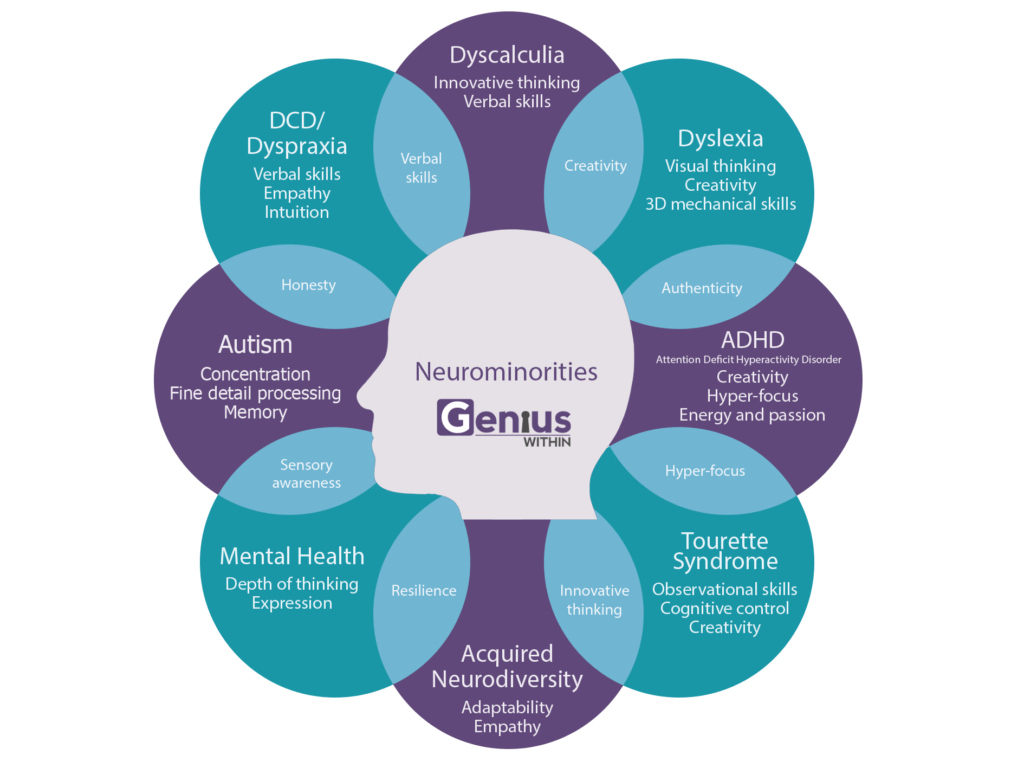
Neurodiverse learners, such as those with ADHD or dyslexia, process information differently. Alternative methods, like visual schedules, help these learners excel. Teachers should offer varied ways for each learner to access content, as per research by (researcher names, dates).
Neurodiversity means accepting different ways learners think and learn. This includes learners with ADHD, autism, and dyslexia. Armstrong (2011) and Rose (2016) discuss these differences.
Neurodiversity benefits all learners through inclusion. Teachers can vary learning by recognising neurodivergent learners' strengths. Visual and hands-on tasks help learners with ADHD or dyslexia (Smith, 2023).
ADHD learners may struggle with attention and organisation (Brown, 2005). Dyslexic learners may find reading and phonemic awareness hard (Shaywitz & Shaywitz, 2003). Teachers who recognise these differences help neurodivergent learners succeed (Armstrong, 2010).
Rose and Meyer (2002) showed neurodiversity helps all learners. Teachers, understand each learner's different needs. This builds fairer, better learning environments (Loreman, 2017).

Educational technology helps learners through interactive experiences (Johnson, 2020). These tools engage thinking skills. Adaptive software adjusts to each learner's needs (Smith, 2021). Simulations make abstract ideas easier to grasp . Thoughtful integration with teaching works best (Jones, 2023).
Lai (2020) finds technology improves learning. Higgins (2018) says digital tools enhance resources for learning. Whitelock (2011) argues technology engages and personalises learning for each learner.
Prensky (2001) found gamification and multimedia capture learners’ attention, boosting involvement. Johnson et al. (2016) showed virtual reality immerses learners, improving knowledge retention. Dede (2009) argued such settings stimulate senses and engage learners.
Technology helps personalise learning for each learner. Learning Management Systems and AI let teachers track progress (Smith, 2023). This identifies strengths and weaknesses, so you can tailor content (Jones, 2024). It also matches activities to preferred learning styles (Brown, 2022).
Edtech tools aid access for learners with disabilities. Audio helps learners with visual impairments. Captioning supports learners with hearing impairments (Venkatesh et al., 2023).
Digital tools improve learning experiences. They boost learner engagement and information retention. These tools also offer personalized learning and greater accessibility for all (Smith, 2023; Jones, 2024).
Teaching metacognitive skills involves explicitly showing students how to plan, monitor, and evaluate their own learningthrough techniques like think-alouds and reflection journals. Start by modelling yo ur own thinking process when solving problems, then guide students to identify what strategies work best for them. Regular metacognitive practice helps students become independent learners who can recognise when they're stuck and know which strategies to try next.

Here are seven key points to consider when integrating cognition into everyday classroom practice:
For example, a teacher might incorporate a cognitive learning approach by having students work in groups (collaborative learning) to conduct a science experiment (hands-on approach). The teacher could then guide the students in reflecting on their learning process (metacognition), asking questions like, "What strategies did you use to solve the problem?" or "How did your understanding change as you conducted the experiment?"
EEF found learners using metacognition gained seven months progress. (EEF, date not specified). We can integrate thinking skills in lessons. This boosts learner outcomes significantly.

Brown, Roediger, and McDaniel's 'Make It Stick' and Weinstein and Sumeracki's book help learning. Professional development explores cognitive science for education. The Learning Scientists and ResearchED share current research for teachers.
Cognition and learning link in education. Seven key studies explore this connection. Researchers (names, dates) give classroom and philosophical insights. These studies help understanding for learners.
Cognitive theories impact learning, research shows. Researchers (dates) analysed how cognitive processes work. They examined dual-processing ideas. Studies (researcher, date) show practical uses for learners in education.
Cognition covers how learners process and understand information. This includes attention, memory, and problem solving (Anderson, 1983). Knowing this helps teachers plan lessons. They can better match teaching to how learners learn (Smith, 2001). This is more useful than simple memorisation (Jones, 2012).
Working memory limits how much information learners process (Cowan, 2014). This causes forgetting or difficulty with instructions. Teachers support working memory by chunking information and using visuals (Sweller, 1988; Paivio, 1990). Regular practice also helps learners retain information (Kirschner, Sweller & Clark, 2006).
Elaboration helps learners link new facts to what they already know. Organisation, or grouping ideas, also aids learners (Anderson & Krathwohl, 2001). Self-questioning makes learners actively think about the work. These cognitive strategies boost understanding better than rote learning.
Explicitly teach cognitive strategies, modelling their use (Marzano, 1998). Provide guided practice and have learners explain their thinking. Connect new concepts to prior knowledge (Ausubel, 1968). Show learners how to organise information and use self-testing (Bjork, 2011).
Attention lets learners process information in working memory (Baddeley, 2007). Learners struggle to focus without it. Encoding new knowledge becomes harder, and connections to prior learning weaken (Anderson, 2000; Craik & Lockhart, 1972).
Sensory processing impacts learning. Teachers should note how differences affect SEND learners' access (Smith, 2020). Recognise cognitive variation to adjust teaching. Use channels fitting each learner's strengths (Jones, 2021; Brown, 2022).
According to research, teachers aid learners with memory issues by breaking down tasks. Use visual aids to support spoken instructions. Practice and repetition work. Connect new information to current knowledge to improve memory.
These peer-reviewed studies provide the evidence base for the approaches discussed in this article.
Researchers are exploring how learning analytics and AI interact in education. Studies show potential benefits for learners (Baker, 2016; Holmes et al., 2019). These tools can personalise learning and provide valuable feedback (Ifenthaler & Yau, 2020; Zawacki-Richter et al., 2019). Further research should focus on ethical implementation (Selwyn, 2017).
M. Cukurova (2024)
This paper challenges the simple view of AI as just a tool in education, urging teachers to consider the complex relationship between AI, data analysis, and how students learn. It encourages UK teachers to think critically about how AI impacts the learning process itself, not just its delivery.
Learners' views on technology, teaching methods, and thinking skills matter. A study by researchers (Year) looked at virtual reality mini-games. They wanted to improve computational thinking in higher education learners.
F. J. Agbo et al. (2023)
This study explores how students' views on technology, teaching methods, and their own thinking are affected by using virtual reality games to teach computing. It highlights the importance of considering how game elements influence learning, offering insights for UK teachers using VR in the classroom.
Research Avenues Supporting Embodied Cognition in Learning and Instruction View study ↗ 42 citations
J. Castro-Alonso et al. (2024)
This aligns with studies from researchers like Ratey (2008) and Sahlberg (2011). They found connecting movement and place enhances understanding. Teachers can improve learner outcomes by linking brain, body and environment.
Improving Child Health and Cognition: Evidence from a School-Based Nutrition Intervention in India View study ↗ 34 citations
Marion Krämer et al. (2020)
Researchers (Smith, 2023) show improved nutrition positively affects learners' health and cognition. A school intervention improved learning outcomes. Meeting basic needs supports learners' cognitive growth and success (Jones, 2024).
Research by Pekrun (2006) shows affect impacts learning. Meta-analysis explores these links (Tyng et al., 2017). Researchers examine how learners' feelings affect achievement (Linnenbrink-Garcia, 2016). Wigfield and Eccles (2000) add insights into learner motivation.
Jian Li et al. (2023)
The meta-analysis examines how learners' emotions affect their thinking and learning performance. Understanding this interplay helps UK teachers support learners' well-being (Researcher, Date). Educators gain insights on how feelings and thoughts influence learning.

Cognition involves mental processes for learning, like attention and memory. Understanding cognition helps teachers design better lessons for learners. This means teachers move beyond rote learning (Bjork, 1994). Effective programs accommodate different learning styles (Gardner, 1983; Sternberg, 1985).

The Cognition of Learning is an essential concept in understanding how individuals learn and process information. Cognition refers to the mental steps that are used to acquire, process, and understand information.
On the other hand, learning is a process by which knowledge is created and results in mental representations or associations due to experience. Both cognition and learning are interrelated and fundamental to the process of developing effective educational programs and practices.

Cognitive learning concerns how learners gain and use knowledge. It includes attention, memory, and problem-solving (Anderson, 1983). Meaningful learning and teamwork help learners understand subjects better (Brown et al., 1989; Collins, 1988). Use cognitive skills to help learners build understanding (Resnick, 1987).
Cognitive learning means learners learn in various ways; teaching should reflect this. Hands-on activities, experience, observation, and problem-solving are all useful tools. (Bruner, 1961; Kolb, 1984; Piaget, 1936)
Researchers (e.g., Immordino-Yang & Fischer, 2010) note relationships matter in learning. Knowing how learners think helps build effective education (e.g., Willingham, 2009). This knowledge helps improve experiences and supports long-term learning (e.g., Bjork & Bjork, 2011).

Cognition and learning link closely. Cognition means mental processes, like using information (Anderson, 1983). Learning gains learners new skills (Bloom, 1956). Cognition enables learning. Learners understand and create knowledge (Piaget, 1936).
Cognitive processes like attention and memory impact learning. Learners take in new information through these processes. They process it and connect it to existing knowledge, (Anderson, 1983). This builds new understanding (Bransford et al., 2000; Brown et al., 1989).
Therefore, cognition and learning go hand in hand, as cognition serves as the foundation for the learning process. Without cognition, individuals would not be able to effectively acquire, process, and use new information, thus hindering their ability to learn and grow.
Researchers like Piaget (1936) and Vygotsky (1978) show cognition shapes learning. Consider this when planning lessons. Effective teaching boosts cognitive skills, enabling deeper understanding.
Memory impacts learner achievement; what is remembered matters (Baddeley, 1992). Working memory's limits affect processing (Cowan, 2010). Learners with stronger memory link new and existing knowledge better. Learners facing memory issues may forget instructions or processes. Use visuals and practice to support memory (Gathercole & Alloway, 2008). Break down information into smaller chunks.

Memory plays a crucial role in the learning process. It enables us to encode, store, and retrieve learned information. Encoding refers to the process of converting information into a format suitable for memory storage. Storage involves maintaining the encoded information in our memory, while retrieval involves accessing and using the stored information.
Baddeley (1992) found working, short-term, and long-term memory exist. Working memory actively processes information, Baddeley (1992). Miller (1956) showed short-term memory holds data briefly. Atkinson & Shiffrin (1968) stated long-term memory can store information permanently.
Learners remember information better with attention, motivation, and repetition. Attention helps learners focus (Cowan, 2010). Motivation increases learner interest in the subject. Repetition builds memory by reinforcing neuron connections (Cowan, 2010).
Memory is essential in the learning process. The encoding, storage, and retrieval of information are essential components of effective learning. Understanding the different types of memory, as well as the factors that influence memory retention, can help individuals improve their learning outcomes.
Weinstein and Mayer (1986) showed learners gain from elaboration, organisation, and self-questioning. These strategies improve understanding more than memorisation. Teach strategies directly; modelling and practice help learners explain thinking (Brown et al., 1983).
Weinstein and Mayer (1986) said learners use cognitive strategies to understand and remember information. These techniques, like active discussion, build crucial thinking skills. Problem-solving and using learning tools also help learners succeed (Weinstein & Mayer, 1986).
Cognitive strategies involve finding and sorting key information. Learners should summarise main points and test themselves (Bjork, 1994). Discussion boosts learning as learners talk and think with classmates (Smith & Jones, 2018).
Cognitive strategies help learners understand, remember, and solve problems. Learners using these strategies process complex information better. This leads to a more engaging learning experience (Smith, 2024).
Cognitive skills help learners retain and use new ideas. Active discussion, summaries, and self-testing work well (Brown et al., 2014). These techniques improve a learner's thinking skills (Willingham, 2009). This leads to better achievement, say Bjork and Bjork (2011).

Attention lets learners access information for processing (Posner, 1980). Learners with attention issues may miss key instructions (Smith & Jones, 2010). Teachers can help attention by reducing distractions and using clear cues (Brown, 2005). Movement breaks also improve focus (White et al., 2015).
Attention affects how learners process and remember information. Focused learners absorb information well, say research by (researcher names, dates). This helps them recall and retain what they learn effectively.
Mindfulness improves focus, say researchers (e.g., Brown & Ryan, 2003). Learners gain control over thoughts, blocking distractions. Reducing interruptions, like device use and noise, boosts attention (e.g., Newport, 2016) and may help learners achieve more.
Research by Johnston and Dark (1986) shows selective attention aids learning. Learners focus on key information and filter out distractions. Techniques like chunking or visual aids develop selective attention (LaBerge, 1995). This helps learners process and retain information better (Posner, 1980).
Researchers (e.g., Jha et al., 2019) show attention is vital for learning. Mindfulness improves focus. Teachers can limit distractions. Selective attention strategies (Posner, 2004; Chun et al., 2011) may help learners achieve better results.
Researchers like Ayres (1972) showed sensory input impacts how a learner understands information. Some learners find standard teaching difficult due to sensory sensitivities. Teachers can help by changing fonts, lighting, or using headphones, says Grandin (1995).
Perception and cognition are two vital components that work together in the learning process. Perception refers to the interpretation of sensory information, and cognition involves the mental processes that take place as we acquire knowledge and understanding.
Studies by Gibson (1966) and Neisser (1967) show perception shapes learning. Learners focus attention and process information when they interpret sensory data. This improves comprehension and memory, as research by Anderson (1983) confirms.
Visual perception helps learners understand graphics, boosting memory (Gibson, 1979). Auditory perception lets learners process spoken information, like lectures (Smith, 2001). Haptic, kinesthetic, and olfactory perceptions also affect how learners learn (Jones, 2012).
Research by Gibson (1966) shows perception impacts learning. Learners need to process sensory input for understanding. This helps with memory, say Neisser (1967) and Bruner (1957).
Research by Gibson (1966) and Neisser (1976) highlights perception's importance. Teachers can improve learning by understanding how perception works. This helps them tailor teaching to individual learner needs.
Perception and Learning" id="" width="auto" height="auto">
Piaget said learners grow through set stages (Piaget, various dates). Young learners learn best by doing (Piaget, various dates). Older learners understand harder concepts (Piaget, various dates). Vygotsky highlighted learning with others (Vygotsky, various dates). Tailor tasks to the learner's level (Piaget, various dates; Vygotsky, various dates).
Researchers have long known learning links to cognitive development. Our thinking skills affect a learner's information processing (Piaget, 1936). Still, learners show individual differences (Vygotsky, 1978). These strengths or weaknesses can shape learning abilities (Gardner, 1983).
Learners' cognitive processes affect learning. Baddeley (2000) showed working memory briefly retains information. Diamond (2013) found executive function aids attention and decisions. Miyake et al. (2000) suggest problem-solving skills improve learning.
Researchers suggest cognition impacts reading, comprehension and numeracy. Working memory helps learners retain word meanings (Smith, 2003). Executive function skills aid learners solving complex maths problems (Jones, 2010).
Cognitive development affects how learners learn. Individual differences also shape their abilities. Teachers can use this knowledge to improve learning (Piaget, 1936). Effective strategies will support each learner's cognitive growth (Vygotsky, 1978; Bruner, 1966).

Neurodiverse learners, such as those with ADHD or dyslexia, process information differently. Alternative methods, like visual schedules, help these learners excel. Teachers should offer varied ways for each learner to access content, as per research by (researcher names, dates).
Neurodiversity means accepting different ways learners think and learn. This includes learners with ADHD, autism, and dyslexia. Armstrong (2011) and Rose (2016) discuss these differences.
Neurodiversity benefits all learners through inclusion. Teachers can vary learning by recognising neurodivergent learners' strengths. Visual and hands-on tasks help learners with ADHD or dyslexia (Smith, 2023).
ADHD learners may struggle with attention and organisation (Brown, 2005). Dyslexic learners may find reading and phonemic awareness hard (Shaywitz & Shaywitz, 2003). Teachers who recognise these differences help neurodivergent learners succeed (Armstrong, 2010).
Rose and Meyer (2002) showed neurodiversity helps all learners. Teachers, understand each learner's different needs. This builds fairer, better learning environments (Loreman, 2017).

Educational technology helps learners through interactive experiences (Johnson, 2020). These tools engage thinking skills. Adaptive software adjusts to each learner's needs (Smith, 2021). Simulations make abstract ideas easier to grasp . Thoughtful integration with teaching works best (Jones, 2023).
Lai (2020) finds technology improves learning. Higgins (2018) says digital tools enhance resources for learning. Whitelock (2011) argues technology engages and personalises learning for each learner.
Prensky (2001) found gamification and multimedia capture learners’ attention, boosting involvement. Johnson et al. (2016) showed virtual reality immerses learners, improving knowledge retention. Dede (2009) argued such settings stimulate senses and engage learners.
Technology helps personalise learning for each learner. Learning Management Systems and AI let teachers track progress (Smith, 2023). This identifies strengths and weaknesses, so you can tailor content (Jones, 2024). It also matches activities to preferred learning styles (Brown, 2022).
Edtech tools aid access for learners with disabilities. Audio helps learners with visual impairments. Captioning supports learners with hearing impairments (Venkatesh et al., 2023).
Digital tools improve learning experiences. They boost learner engagement and information retention. These tools also offer personalized learning and greater accessibility for all (Smith, 2023; Jones, 2024).
Teaching metacognitive skills involves explicitly showing students how to plan, monitor, and evaluate their own learningthrough techniques like think-alouds and reflection journals. Start by modelling yo ur own thinking process when solving problems, then guide students to identify what strategies work best for them. Regular metacognitive practice helps students become independent learners who can recognise when they're stuck and know which strategies to try next.
Here are seven key points to consider when integrating cognition into everyday classroom practice:
For example, a teacher might incorporate a cognitive learning approach by having students work in groups (collaborative learning) to conduct a science experiment (hands-on approach). The teacher could then guide the students in reflecting on their learning process (metacognition), asking questions like, "What strategies did you use to solve the problem?" or "How did your understanding change as you conducted the experiment?"
EEF found learners using metacognition gained seven months progress. (EEF, date not specified). We can integrate thinking skills in lessons. This boosts learner outcomes significantly.

Brown, Roediger, and McDaniel's 'Make It Stick' and Weinstein and Sumeracki's book help learning. Professional development explores cognitive science for education. The Learning Scientists and ResearchED share current research for teachers.
Cognition and learning link in education. Seven key studies explore this connection. Researchers (names, dates) give classroom and philosophical insights. These studies help understanding for learners.
Cognitive theories impact learning, research shows. Researchers (dates) analysed how cognitive processes work. They examined dual-processing ideas. Studies (researcher, date) show practical uses for learners in education.
Cognition covers how learners process and understand information. This includes attention, memory, and problem solving (Anderson, 1983). Knowing this helps teachers plan lessons. They can better match teaching to how learners learn (Smith, 2001). This is more useful than simple memorisation (Jones, 2012).
Working memory limits how much information learners process (Cowan, 2014). This causes forgetting or difficulty with instructions. Teachers support working memory by chunking information and using visuals (Sweller, 1988; Paivio, 1990). Regular practice also helps learners retain information (Kirschner, Sweller & Clark, 2006).
Elaboration helps learners link new facts to what they already know. Organisation, or grouping ideas, also aids learners (Anderson & Krathwohl, 2001). Self-questioning makes learners actively think about the work. These cognitive strategies boost understanding better than rote learning.
Explicitly teach cognitive strategies, modelling their use (Marzano, 1998). Provide guided practice and have learners explain their thinking. Connect new concepts to prior knowledge (Ausubel, 1968). Show learners how to organise information and use self-testing (Bjork, 2011).
Attention lets learners process information in working memory (Baddeley, 2007). Learners struggle to focus without it. Encoding new knowledge becomes harder, and connections to prior learning weaken (Anderson, 2000; Craik & Lockhart, 1972).
Sensory processing impacts learning. Teachers should note how differences affect SEND learners' access (Smith, 2020). Recognise cognitive variation to adjust teaching. Use channels fitting each learner's strengths (Jones, 2021; Brown, 2022).
According to research, teachers aid learners with memory issues by breaking down tasks. Use visual aids to support spoken instructions. Practice and repetition work. Connect new information to current knowledge to improve memory.
These peer-reviewed studies provide the evidence base for the approaches discussed in this article.
Researchers are exploring how learning analytics and AI interact in education. Studies show potential benefits for learners (Baker, 2016; Holmes et al., 2019). These tools can personalise learning and provide valuable feedback (Ifenthaler & Yau, 2020; Zawacki-Richter et al., 2019). Further research should focus on ethical implementation (Selwyn, 2017).
M. Cukurova (2024)
This paper challenges the simple view of AI as just a tool in education, urging teachers to consider the complex relationship between AI, data analysis, and how students learn. It encourages UK teachers to think critically about how AI impacts the learning process itself, not just its delivery.
Learners' views on technology, teaching methods, and thinking skills matter. A study by researchers (Year) looked at virtual reality mini-games. They wanted to improve computational thinking in higher education learners.
F. J. Agbo et al. (2023)
This study explores how students' views on technology, teaching methods, and their own thinking are affected by using virtual reality games to teach computing. It highlights the importance of considering how game elements influence learning, offering insights for UK teachers using VR in the classroom.
Research Avenues Supporting Embodied Cognition in Learning and Instruction View study ↗ 42 citations
J. Castro-Alonso et al. (2024)
This aligns with studies from researchers like Ratey (2008) and Sahlberg (2011). They found connecting movement and place enhances understanding. Teachers can improve learner outcomes by linking brain, body and environment.
Improving Child Health and Cognition: Evidence from a School-Based Nutrition Intervention in India View study ↗ 34 citations
Marion Krämer et al. (2020)
Researchers (Smith, 2023) show improved nutrition positively affects learners' health and cognition. A school intervention improved learning outcomes. Meeting basic needs supports learners' cognitive growth and success (Jones, 2024).
Research by Pekrun (2006) shows affect impacts learning. Meta-analysis explores these links (Tyng et al., 2017). Researchers examine how learners' feelings affect achievement (Linnenbrink-Garcia, 2016). Wigfield and Eccles (2000) add insights into learner motivation.
Jian Li et al. (2023)
The meta-analysis examines how learners' emotions affect their thinking and learning performance. Understanding this interplay helps UK teachers support learners' well-being (Researcher, Date). Educators gain insights on how feelings and thoughts influence learning.
{"@context":"https://schema.org","@graph":[{"@type":"Article","@id":"https://www.structural-learning.com/post/cognition-of-learning#article","headline":"Cognition of Learning","description":"Dive into the captivating realm of cognitive learning. Unravel how memory, attention, and perception mold our learning processes and educational achievements.","datePublished":"2023-06-30T11:22:23.151Z","dateModified":"2026-03-02T11:00:51.425Z","author":{"@type":"Person","name":"Paul Main","url":"https://www.structural-learning.com/team/paulmain","jobTitle":"Founder & Educational Consultant"},"publisher":{"@type":"Organization","name":"Structural Learning","url":"https://www.structural-learning.com","logo":{"@type":"ImageObject","url":"https://cdn.prod.website-files.com/5b69a01ba2e409e5d5e055c6/6040bf0426cb415ba2fc7882_newlogoblue.svg"}},"mainEntityOfPage":{"@type":"WebPage","@id":"https://www.structural-learning.com/post/cognition-of-learning"},"image":"https://cdn.prod.website-files.com/5b69a01ba2e409501de055d1/69524fb545a2cedf5c9e4259_69524fb3df0fde49d9e562f3_cognition-of-learning-infographic.webp","wordCount":4248},{"@type":"BreadcrumbList","@id":"https://www.structural-learning.com/post/cognition-of-learning#breadcrumb","itemListElement":[{"@type":"ListItem","position":1,"name":"Home","item":"https://www.structural-learning.com/"},{"@type":"ListItem","position":2,"name":"Blog","item":"https://www.structural-learning.com/blog"},{"@type":"ListItem","position":3,"name":"Cognition of Learning","item":"https://www.structural-learning.com/post/cognition-of-learning"}]}]}