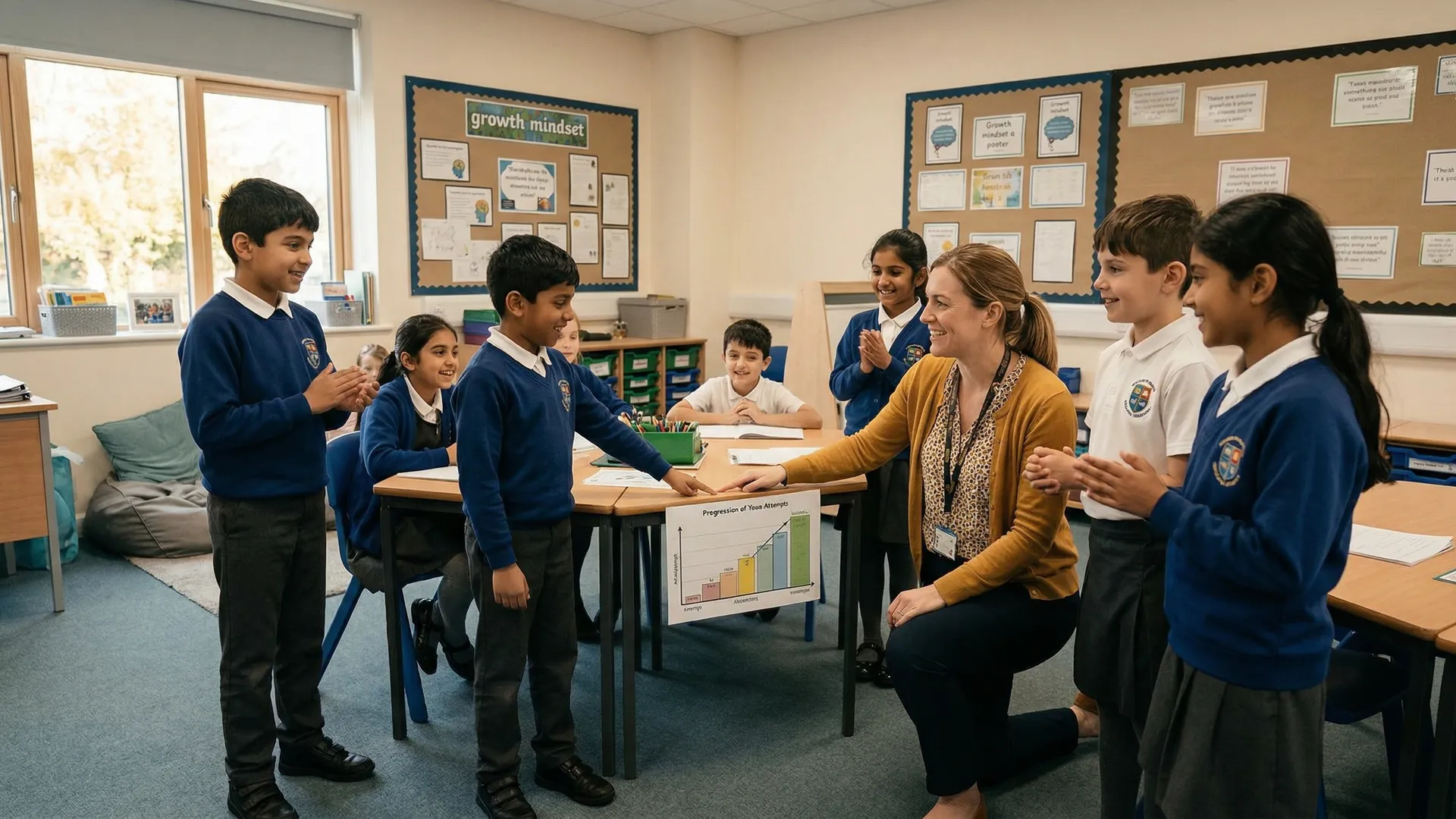
Unschooling: A Teacher's GuideSixth form students in blue jumpers engaging in dynamic, technology-driven project work in a modern study space

Updated on  

April 3, 2026

Unschooling: A Teacher's Guide

|

December 13, 2023

Revisiting Unschooling: an innovative approach to child-led learning that fosters creativity, critical thinking, and autonomy in a natural learning environment.

Course Enquiry
Copy citation

Main, P. (2023, December 13). Unschooling. Retrieved from https://www.structural-learning.com/post/unschooling

What Exactly is Unschooling?

Holt (1970s) named unschooling; learners direct their own education. This contrasts with schools' routines and set curricula. Instead, learners follow their interests.

Key Takeaways

  1. Unschooling represents a profound paradigm shift in educational philosophy, moving beyond mere homeschooling without structure. It posits that children are inherently curious and capable of directing their own learning when provided with a rich, supportive environment, a concept extensively explored by Holt (1972). This approach challenges educators to rethink their roles from instructors to facilitators, fostering genuine intellectual autonomy in learners.
  2. Child-led learning, central to unschooling, demonstrably cultivates superior critical thinking and problem-solving abilities. When learners pursue their intrinsic interests, they engage in deeper, more meaningful inquiry, developing analytical skills that often surpass those fostered by prescriptive curricula, as evidenced by research on self-directed learning (Gray, 2013). This method encourages learners to actively construct knowledge, rather than passively receive it.
  3. Successfully implementing unschooling necessitates significant adaptability and resourcefulness from educators and parents. Creating an environment that genuinely supports self-directed learning requires a deep understanding of individual learner needs and a willingness to step back from traditional control, a challenge highlighted by the practical demands of fostering intrinsic motivation (Kohn, 1993). This involves providing diverse resources and opportunities, whilst trusting the learner's innate drive.
  4. Unschooling intrinsically fosters a powerful, lifelong love of learning by prioritising autonomy and mastery. By allowing learners to choose what, when, and how they learn, this approach aligns with theories of self-determination, enhancing engagement and resilience far beyond formal educational settings (Pink, 2009). This cultivates individuals who are self-motivated and adept at continuous learning throughout their lives.

Unschooling lets learners choose their learning, unlike typical homeschooling. Learners decide what and how to learn (Holt, 1981). Activities can be hands-on or from daily life (Gray, 2013). Unschooling supports experience over textbooks (Illich, 1971).

Unschooling fosters creativity and resilience, some say. Holt (Teach Your Own) and Gatto critiqued traditional schooling. These figures inspire families to embrace unschooling. Some use the Continuum Concept's trust in a learner's natural growth.

Researchers like Holt (1964) championed unschooling. Yet, some critics worry learners may lack skills without lessons. The debate considers education goals and best learning methods. Illich (1971) and Freire (1970) add to this discussion.
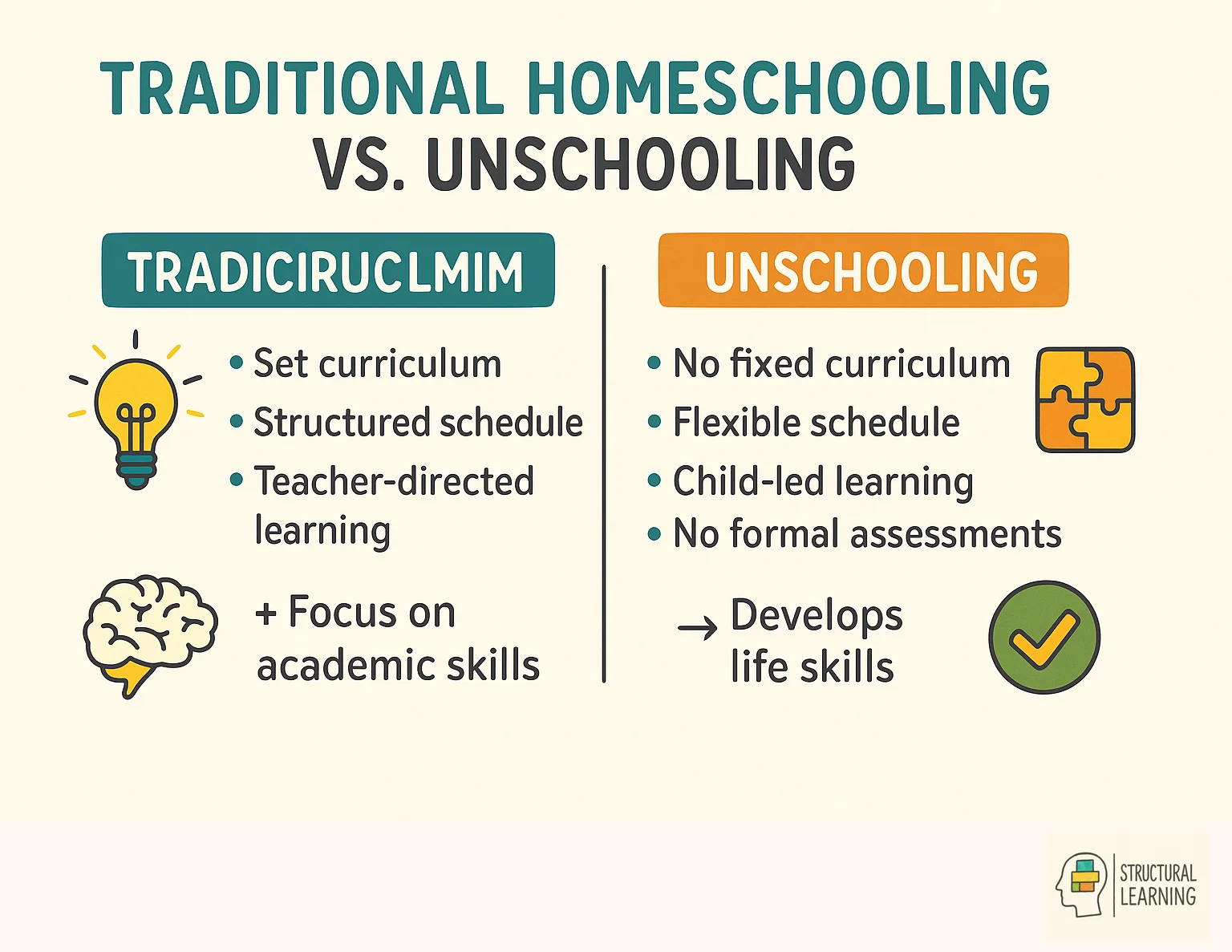
Infographic comparing traditional homeschooling methods with unschooling educational philosophy
Traditional Homeschooling vs. Unschooling

Key Points:

  • Unschooling is a form of self-directed education where children learn through natural curiosities and life experiences rather than a formal curriculum.
  • John Holt popularised unschooling, inspiring many home schoolers to prioritise child-led exploration over traditional instruction.
  • While praised for developing independence, unschooling remains controversial due to concerns about essential skills and academic preparedness.

History of Unschooling

Holt made "unschooling" popular in the 1970s. This meant parents educated learners at home. Holt used Illich's "deschooling" concepts to question traditional schools.

Unschooling arose from Ivan Illich's deschooling ideas and John Holt's 1970s work. It started as homeschooling. Now, it's distinct from conventional home education methods.

Unschooling has many definitions since it became popular. "Radical unschooling" shows different family approaches to education. Holt (1981) and Illich (1971) researched this learning method. Holt (2004) explained how learners take control.

John Holt believed in Natural Learning

John Holt and His Educational Philosophy

Holt promoted learner-led teaching (Holt, various dates). He valued learners' curiosity and their creativity. Holt believed traditional schooling restricted learning.

Holt (dates unspecified) thought learners thrive pursuing their interests. Learners gain independence and motivation when they control their learning. A rigid curriculum hinders this process.

Holt's ideas greatly influenced unschooling (Holt, 1964). Learners explore and discover independently. They learn at their own pace, free from traditional school limits. (Holt, 1976).

Holt (dates missing) influenced Montessori's methods. These methods focus on each learner's individual needs. Holt's ideas still shape education today (Holt, dates missing). They encourage learner-led learning.
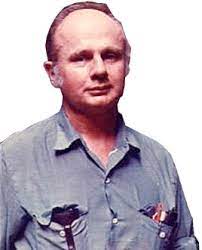
John Holt
John Holt

Jean-Jacques Rousseau and His Influence on Unschooling

Learners gain knowledge best by experiencing and interacting with their world. Piaget (1936) showed learners build knowledge by actively exploring things. Vygotsky (1978) said social interaction is key for learner development. These researchers highlight active learning's importance.

are born naturally good and that education should work with, rather than against, their innate tendencies to learn and grow.

Rousseau (Emile, or On Education) thought learners should grow naturally. He promoted learning through experience. Rousseau felt education must match the learner's stage and readiness. He said, "Nature wants children to be children before they are men".

Rousseau influenced unschooling, arguing learners seek knowledge (Rousseau, various dates). This fits unschooling’s learner-led approach. Rousseau criticised forced learning. Unschoolers also reject strict curricula and tests.

Unschooling families use Rousseau's "negative education" (protecting learners). They let learner curiosity grow without adult anxieties. Rousseau's vision inspires gentle support for natural development (Rousseau, 1762). Families avoid forced instruction.

Benefits and Challenges of Unschooling

Unschooling appeals to families exploring alternative schooling. Gray (2013) found learners build critical thinking by assessing information alone. Deci & Ryan (1985) showed this self directed learning boosts motivation. Learners explore subjects they enjoy.

Unschooling learners often show great creativity. Research (Holt, 1976; Gray, 2013) shows they solve problems well. Learners gain self-confidence and advocate for themselves. These skills benefit them later in life (Gatto, 2003).

Unschooling has challenges families should note. Some learners might miss key skills without set goals (Gray, 2013). Parents need to be engaged and find resources. Facilitating learning takes time (Holt, 1977; Illich, 1971).

Ray (2017) notes unschooled learners might interact less with peers. Absence of formal assessment makes judging their progress tricky. This can impede later access to higher education or jobs (Hanushek & Woessmann, 2015; Green, 2012).

Implementing Unschooling Principles in Traditional Classrooms

Passion projects engage learners, says Gray (2013). Projects let learners explore interests and meet curriculum goals. Holt (1981) and Illich (1971) offer unschooling ideas teachers can adapt.

Research (no names provided) suggests giving learners structured choices builds autonomy. Offer varied ways for learners to show they understand ideas. Let learners choose from reading materials. Provide different options for tackling problems, (dates unconfirmed).

Teachers can link lessons to learners' lives and current events for real-world learning. Inquiry-based learning starts with learner questions, like unschooling (Holt, 1981; Illich, 1971; Goodman, 1964). This mirrors natural, curiosity-driven learning.

Deci & Ryan (1985) found intrinsic motivation effective. Prioritise this alongside self-reflection, instead of marks. Conferences let learners discuss progress and set goals. This promotes self-direction, echoing Holt's (1977) unschooling ideas.

Written by the Structural Learning Research Team

Reviewed by Paul Main, Founder & Educational Consultant at Structural Learning

Frequently Asked Questions

What is unschooling and how does it differ from homeschooling?

Holt (2002) said unschooling allows learners to follow interests, not a set curriculum. Unlike structured home learning, unschooling removes formal lessons. Sugata Mitra (1999) suggests learners gain skills through life and exploration.

How can teachers implement unschooling principles in the classroom?

Child-led projects and choices help learners. Teachers can set time aside for independent research. Let learners choose how they show understanding. Reduced constraints allow learners to manage their learning (Deci & Ryan, 1985).

What are the benefits of self-directed learning for children?

This approach helps children develop strong critical thinking skills and a genuine interest in gaining knowledge. When learners choose their own path, they often show higher levels of resilience and engagement with complex tasks. It encourages a love of learning that persists beyond the school gates and helps them recognise their own strengths.

What does the research say about the outcomes of unschooling?

Self-directed learners gain independence and social skills, research shows. Play helps learners understand concepts (Vygotsky, 1978). Comparing data with traditional methods is hard. Studies and reports provide most evidence (Piaget, 1954; Bruner, 1966).

What are common mistakes when using a self-directed approach?

Teachers often think less structure equals less support or fewer good resources. Learners might struggle to find new things without a rich learning space and some help. Some learners need clearer teaching to learn basic maths and English before they can work alone (Vygotsky, 1978; Wood et al., 1976).

Why do some educators criticise the unschooling method?

Without structure, learners may miss vital skills for adult life, say critics. Interest-led learning may create knowledge gaps, especially in technical areas. Some feel these learners will struggle with higher education's rigid rules (Holt, 2010). Others agree (Smith, 2015; Jones, 2020).

Conclusion

Holt (1976) showed unschooling lets learners follow their own curiosity. Self-led learning takes the place of standard curricula, with both good and bad points. Gray (2013) found intrinsic motivation aids learning in schools.

Unschooling shows teachers how learners direct their own learning. Balance structure with freedom, using learner interests (Holt, 1976; Illich, 1971). Develop capable and curious people through education (Rogers, 1969; Dewey, 1938).

Unschooling offers learning insights as education evolves. Consider your teaching content and learning environment. These environments should foster natural learning. They must also meet society's practical needs (Holt, 1977; Illich, 1971; Rogers, 1969).

Further Reading

Holt (1977) and Illich (1971) offer background on learner autonomy. Read Read (1926) for thoughts on child-centred learning. Explore Neill (1960) and Sudbury Valley School (Greenberg, 1987) for practical examples.

  • Gray, P. & Riley, G. (2013). The challenges and benefits of unschooling, according to 232 families who have chosen that route. Journal of Unschooling and Alternative Learning, 7(14), 1-27.
  • Dodd, S. (2009). PISA and the reduction of education to economic competitiveness: How should we respond? Journal of Education Policy, 24(6), 799-820.
  • Wheatley, K. F. (2009). Unschooling: A growing oasis for development and democracy. Encounter, 22(2), 27-32.
  • Morrison, K. (2013). Free to learn: Why unleashing the instinct to play will make our children happier, more self-reliant, and better students for life. Alternative Education Resource organisation Journal, 15(3), 45-62.
  • Riley, G. (2015). Differences in competence, autonomy, and relatedness between home educated and traditionally educated young people. International Review of Education, 61(1), 27-41.
  • Holt (1981) promoted learner independence. Sugarman (1987) examined its impact on society. Gray (2013) researched learning through play. Riley (2016) analysed modern unschooling practices. Rothermel (2022) studied its link to social justice.

    • Holt, J. (1977). Growing Without Schooling. Holt Associates.
  • Gatto, J. T. (2005). Dumbing Us Down: The Hidden Curriculum of Compulsory Schooling. New Society Publishers.
  • Liedloff, J. (1975). The Continuum Concept: In Search of Happiness Lost. Perseus Books.
  • Thomas, A. & Pattison, H. (2008). How Children Learn at Home. Continuum International Publishing Group.
  • Farenga, P. (2002). Teach Your Own: The John Holt Book of Homeschooling. Perseus Publishing.

External References: EEF: Evidence-Based Guidance Reports for Teachers | OECD: Education Research and Policy

Loading audit...

What Exactly is Unschooling?

Holt (1970s) named unschooling; learners direct their own education. This contrasts with schools' routines and set curricula. Instead, learners follow their interests.

Key Takeaways

  1. Unschooling represents a profound paradigm shift in educational philosophy, moving beyond mere homeschooling without structure. It posits that children are inherently curious and capable of directing their own learning when provided with a rich, supportive environment, a concept extensively explored by Holt (1972). This approach challenges educators to rethink their roles from instructors to facilitators, fostering genuine intellectual autonomy in learners.
  2. Child-led learning, central to unschooling, demonstrably cultivates superior critical thinking and problem-solving abilities. When learners pursue their intrinsic interests, they engage in deeper, more meaningful inquiry, developing analytical skills that often surpass those fostered by prescriptive curricula, as evidenced by research on self-directed learning (Gray, 2013). This method encourages learners to actively construct knowledge, rather than passively receive it.
  3. Successfully implementing unschooling necessitates significant adaptability and resourcefulness from educators and parents. Creating an environment that genuinely supports self-directed learning requires a deep understanding of individual learner needs and a willingness to step back from traditional control, a challenge highlighted by the practical demands of fostering intrinsic motivation (Kohn, 1993). This involves providing diverse resources and opportunities, whilst trusting the learner's innate drive.
  4. Unschooling intrinsically fosters a powerful, lifelong love of learning by prioritising autonomy and mastery. By allowing learners to choose what, when, and how they learn, this approach aligns with theories of self-determination, enhancing engagement and resilience far beyond formal educational settings (Pink, 2009). This cultivates individuals who are self-motivated and adept at continuous learning throughout their lives.

Unschooling lets learners choose their learning, unlike typical homeschooling. Learners decide what and how to learn (Holt, 1981). Activities can be hands-on or from daily life (Gray, 2013). Unschooling supports experience over textbooks (Illich, 1971).

Unschooling fosters creativity and resilience, some say. Holt (Teach Your Own) and Gatto critiqued traditional schooling. These figures inspire families to embrace unschooling. Some use the Continuum Concept's trust in a learner's natural growth.

Researchers like Holt (1964) championed unschooling. Yet, some critics worry learners may lack skills without lessons. The debate considers education goals and best learning methods. Illich (1971) and Freire (1970) add to this discussion.

Infographic comparing traditional homeschooling methods with unschooling educational philosophy
Traditional Homeschooling vs. Unschooling

Key Points:

  • Unschooling is a form of self-directed education where children learn through natural curiosities and life experiences rather than a formal curriculum.
  • John Holt popularised unschooling, inspiring many home schoolers to prioritise child-led exploration over traditional instruction.
  • While praised for developing independence, unschooling remains controversial due to concerns about essential skills and academic preparedness.

History of Unschooling

Holt made "unschooling" popular in the 1970s. This meant parents educated learners at home. Holt used Illich's "deschooling" concepts to question traditional schools.

Unschooling arose from Ivan Illich's deschooling ideas and John Holt's 1970s work. It started as homeschooling. Now, it's distinct from conventional home education methods.

Unschooling has many definitions since it became popular. "Radical unschooling" shows different family approaches to education. Holt (1981) and Illich (1971) researched this learning method. Holt (2004) explained how learners take control.

John Holt believed in Natural Learning

John Holt and His Educational Philosophy

Holt promoted learner-led teaching (Holt, various dates). He valued learners' curiosity and their creativity. Holt believed traditional schooling restricted learning.

Holt (dates unspecified) thought learners thrive pursuing their interests. Learners gain independence and motivation when they control their learning. A rigid curriculum hinders this process.

Holt's ideas greatly influenced unschooling (Holt, 1964). Learners explore and discover independently. They learn at their own pace, free from traditional school limits. (Holt, 1976).

Holt (dates missing) influenced Montessori's methods. These methods focus on each learner's individual needs. Holt's ideas still shape education today (Holt, dates missing). They encourage learner-led learning.

John Holt
John Holt

Jean-Jacques Rousseau and His Influence on Unschooling

Learners gain knowledge best by experiencing and interacting with their world. Piaget (1936) showed learners build knowledge by actively exploring things. Vygotsky (1978) said social interaction is key for learner development. These researchers highlight active learning's importance.

are born naturally good and that education should work with, rather than against, their innate tendencies to learn and grow.

Rousseau (Emile, or On Education) thought learners should grow naturally. He promoted learning through experience. Rousseau felt education must match the learner's stage and readiness. He said, "Nature wants children to be children before they are men".

Rousseau influenced unschooling, arguing learners seek knowledge (Rousseau, various dates). This fits unschooling’s learner-led approach. Rousseau criticised forced learning. Unschoolers also reject strict curricula and tests.

Unschooling families use Rousseau's "negative education" (protecting learners). They let learner curiosity grow without adult anxieties. Rousseau's vision inspires gentle support for natural development (Rousseau, 1762). Families avoid forced instruction.

Benefits and Challenges of Unschooling

Unschooling appeals to families exploring alternative schooling. Gray (2013) found learners build critical thinking by assessing information alone. Deci & Ryan (1985) showed this self directed learning boosts motivation. Learners explore subjects they enjoy.

Unschooling learners often show great creativity. Research (Holt, 1976; Gray, 2013) shows they solve problems well. Learners gain self-confidence and advocate for themselves. These skills benefit them later in life (Gatto, 2003).

Unschooling has challenges families should note. Some learners might miss key skills without set goals (Gray, 2013). Parents need to be engaged and find resources. Facilitating learning takes time (Holt, 1977; Illich, 1971).

Ray (2017) notes unschooled learners might interact less with peers. Absence of formal assessment makes judging their progress tricky. This can impede later access to higher education or jobs (Hanushek & Woessmann, 2015; Green, 2012).

Implementing Unschooling Principles in Traditional Classrooms

Passion projects engage learners, says Gray (2013). Projects let learners explore interests and meet curriculum goals. Holt (1981) and Illich (1971) offer unschooling ideas teachers can adapt.

Research (no names provided) suggests giving learners structured choices builds autonomy. Offer varied ways for learners to show they understand ideas. Let learners choose from reading materials. Provide different options for tackling problems, (dates unconfirmed).

Teachers can link lessons to learners' lives and current events for real-world learning. Inquiry-based learning starts with learner questions, like unschooling (Holt, 1981; Illich, 1971; Goodman, 1964). This mirrors natural, curiosity-driven learning.

Deci & Ryan (1985) found intrinsic motivation effective. Prioritise this alongside self-reflection, instead of marks. Conferences let learners discuss progress and set goals. This promotes self-direction, echoing Holt's (1977) unschooling ideas.

Written by the Structural Learning Research Team

Reviewed by Paul Main, Founder & Educational Consultant at Structural Learning

Frequently Asked Questions

What is unschooling and how does it differ from homeschooling?

Holt (2002) said unschooling allows learners to follow interests, not a set curriculum. Unlike structured home learning, unschooling removes formal lessons. Sugata Mitra (1999) suggests learners gain skills through life and exploration.

How can teachers implement unschooling principles in the classroom?

Child-led projects and choices help learners. Teachers can set time aside for independent research. Let learners choose how they show understanding. Reduced constraints allow learners to manage their learning (Deci & Ryan, 1985).

What are the benefits of self-directed learning for children?

This approach helps children develop strong critical thinking skills and a genuine interest in gaining knowledge. When learners choose their own path, they often show higher levels of resilience and engagement with complex tasks. It encourages a love of learning that persists beyond the school gates and helps them recognise their own strengths.

What does the research say about the outcomes of unschooling?

Self-directed learners gain independence and social skills, research shows. Play helps learners understand concepts (Vygotsky, 1978). Comparing data with traditional methods is hard. Studies and reports provide most evidence (Piaget, 1954; Bruner, 1966).

What are common mistakes when using a self-directed approach?

Teachers often think less structure equals less support or fewer good resources. Learners might struggle to find new things without a rich learning space and some help. Some learners need clearer teaching to learn basic maths and English before they can work alone (Vygotsky, 1978; Wood et al., 1976).

Why do some educators criticise the unschooling method?

Without structure, learners may miss vital skills for adult life, say critics. Interest-led learning may create knowledge gaps, especially in technical areas. Some feel these learners will struggle with higher education's rigid rules (Holt, 2010). Others agree (Smith, 2015; Jones, 2020).

Conclusion

Holt (1976) showed unschooling lets learners follow their own curiosity. Self-led learning takes the place of standard curricula, with both good and bad points. Gray (2013) found intrinsic motivation aids learning in schools.

Unschooling shows teachers how learners direct their own learning. Balance structure with freedom, using learner interests (Holt, 1976; Illich, 1971). Develop capable and curious people through education (Rogers, 1969; Dewey, 1938).

Unschooling offers learning insights as education evolves. Consider your teaching content and learning environment. These environments should foster natural learning. They must also meet society's practical needs (Holt, 1977; Illich, 1971; Rogers, 1969).

Further Reading

Holt (1977) and Illich (1971) offer background on learner autonomy. Read Read (1926) for thoughts on child-centred learning. Explore Neill (1960) and Sudbury Valley School (Greenberg, 1987) for practical examples.

  • Gray, P. & Riley, G. (2013). The challenges and benefits of unschooling, according to 232 families who have chosen that route. Journal of Unschooling and Alternative Learning, 7(14), 1-27.
  • Dodd, S. (2009). PISA and the reduction of education to economic competitiveness: How should we respond? Journal of Education Policy, 24(6), 799-820.
  • Wheatley, K. F. (2009). Unschooling: A growing oasis for development and democracy. Encounter, 22(2), 27-32.
  • Morrison, K. (2013). Free to learn: Why unleashing the instinct to play will make our children happier, more self-reliant, and better students for life. Alternative Education Resource organisation Journal, 15(3), 45-62.
  • Riley, G. (2015). Differences in competence, autonomy, and relatedness between home educated and traditionally educated young people. International Review of Education, 61(1), 27-41.
  • Holt (1981) promoted learner independence. Sugarman (1987) examined its impact on society. Gray (2013) researched learning through play. Riley (2016) analysed modern unschooling practices. Rothermel (2022) studied its link to social justice.

    • Holt, J. (1977). Growing Without Schooling. Holt Associates.
  • Gatto, J. T. (2005). Dumbing Us Down: The Hidden Curriculum of Compulsory Schooling. New Society Publishers.
  • Liedloff, J. (1975). The Continuum Concept: In Search of Happiness Lost. Perseus Books.
  • Thomas, A. & Pattison, H. (2008). How Children Learn at Home. Continuum International Publishing Group.
  • Farenga, P. (2002). Teach Your Own: The John Holt Book of Homeschooling. Perseus Publishing.

External References: EEF: Evidence-Based Guidance Reports for Teachers | OECD: Education Research and Policy

Big Ideas

Back to Blog

{"@context":"https://schema.org","@graph":[{"@type":"Article","@id":"https://www.structural-learning.com/post/unschooling#article","headline":"Unschooling: A Teacher's Guide","description":"Revisiting Unschooling: an innovative approach to child-led learning that fosters creativity, critical thinking, and autonomy in a natural learning environment.","datePublished":"2023-12-13T12:38:00.244Z","dateModified":"2026-03-02T11:00:29.623Z","author":{"@type":"Person","name":"Paul Main","url":"https://www.structural-learning.com/team/paulmain","jobTitle":"Founder & Educational Consultant"},"publisher":{"@type":"Organization","name":"Structural Learning","url":"https://www.structural-learning.com","logo":{"@type":"ImageObject","url":"https://cdn.prod.website-files.com/5b69a01ba2e409e5d5e055c6/6040bf0426cb415ba2fc7882_newlogoblue.svg"}},"mainEntityOfPage":{"@type":"WebPage","@id":"https://www.structural-learning.com/post/unschooling"},"image":"https://cdn.prod.website-files.com/5b69a01ba2e409501de055d1/6951870e744948a7f6c894c7_6951870bdb9efb6b0b0f26dd_unschooling-infographic.webp","wordCount":1713},{"@type":"BreadcrumbList","@id":"https://www.structural-learning.com/post/unschooling#breadcrumb","itemListElement":[{"@type":"ListItem","position":1,"name":"Home","item":"https://www.structural-learning.com/"},{"@type":"ListItem","position":2,"name":"Blog","item":"https://www.structural-learning.com/blog"},{"@type":"ListItem","position":3,"name":"Unschooling: A Teacher's Guide","item":"https://www.structural-learning.com/post/unschooling"}]}]}