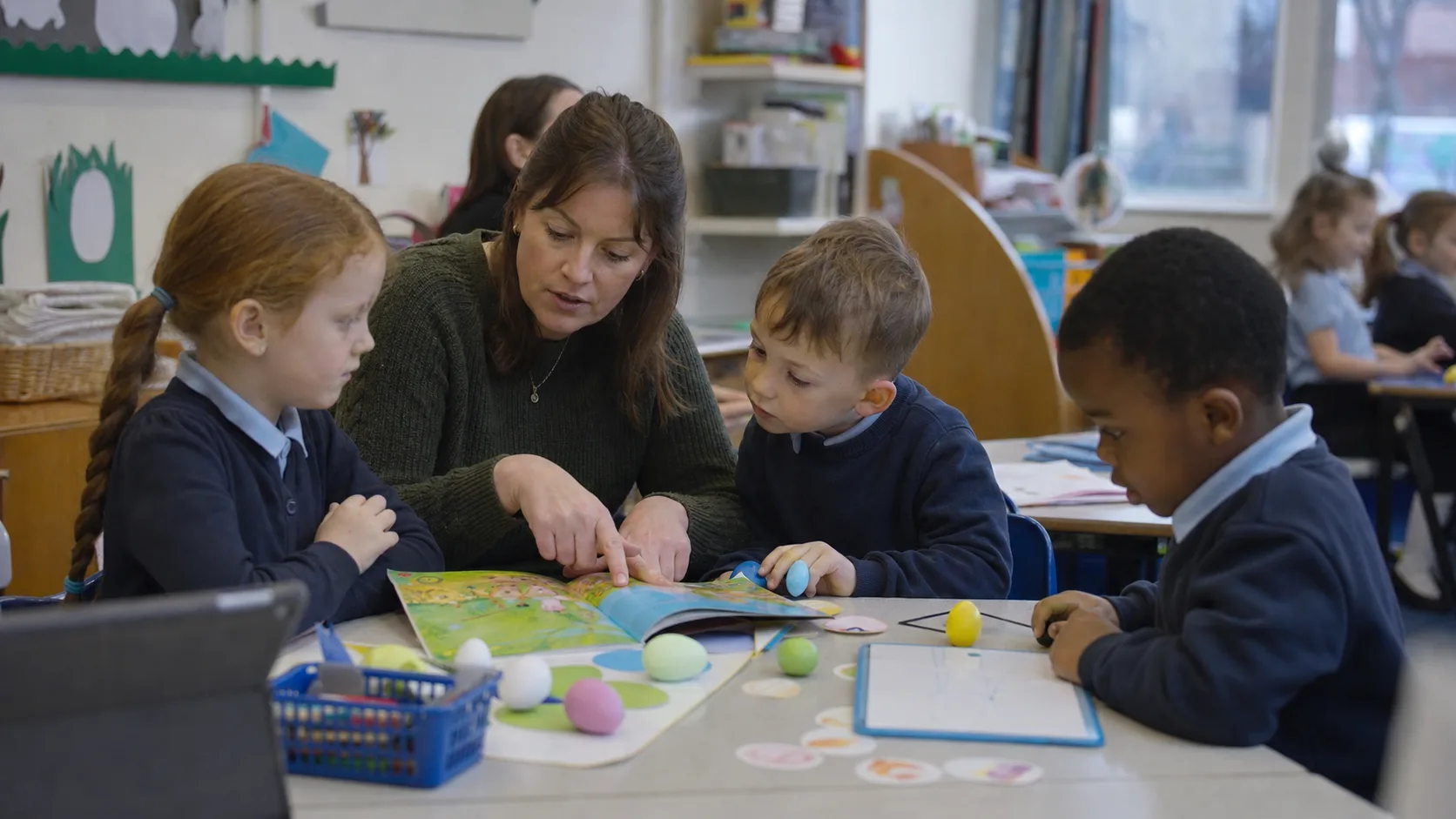
Reading Eggs: Is It Right for Your Classroom?Teacher explaining reading eggs: is it right for your classroom? to pupils in a UK classroom, reading comprehension

Updated on  

March 19, 2026

Reading Eggs: Is It Right for Your Classroom?

|

December 13, 2021

Complete 2025 guide to Reading Eggs for UK schools. Early literacy programme for ages 2-13 with pricing, phonics teaching and implementation tips.

Course Enquiry
Copy citation

Main, P (2021, December 13). Reading Eggs: A guide for teachers. Retrieved from https://www.structural-learning.com/post/reading-eggs-a-guide-for-teachers

What is Reading Eggs and How Does it Work?

With so many early literacy apps available, each promising to boost reading confidence and classroom readiness -it can be difficult to know which ones truly deliver. Among them, Reading Eggs has emerged as a widely used and highly regarded option for helping children learn to read through engaging, interactive content. Designed for early yearsand primary-age learners, it combines playful exploration with carefully structured lessons that build foundational reading skills step by step.

Key Takeaways

  1. Reading Eggs provides a comprehensive, research-aligned approach to foundational reading skills, directly addressing the five essential components of reading instruction. Its structured programme systematically develops phonemic awareness, phonics, fluency, vocabulary, and comprehension, which are critical for effective literacy acquisition as identified by the National Reading Panel (2000). This integrated approach ensures pupils receive balanced instruction vital for early reading success in the classroom.
  2. The gamified structure and reward system within Reading Eggs are highly effective in fostering pupil engagement and motivation, particularly for reluctant readers. By incorporating elements of challenge, immediate feedback, and virtual rewards, the platform taps into principles of self-determination theory, enhancing pupils' sense of competence and autonomy (Deci & Ryan, 2000). This sustained engagement can significantly improve consistent practise and learning outcomes in a classroom setting.
  3. Reading Eggs delivers explicit and systematic phonics instruction, a cornerstone of effective early literacy development. The programme's sequential lessons guide pupils through letter-sound correspondences and blending, which are crucial for decoding and word recognition, aligning with foundational research on how children learn to read (Adams, 1990). This systematic progression is essential for building a strong phonetic base, preventing later reading difficulties.
  4. Reading Eggs embodies key principles of the Science of Reading by offering a highly structured and explicit pedagogical framework for literacy instruction. Its carefully sequenced lessons and diagnostic assessments ensure that instruction is targeted and cumulative, reflecting the evidence-based understanding of how the brain learns to read (Moats, 2020). This systematic design supports teachers in delivering consistent, high-quality reading instruction aligned with current best practices.

Reading Eggs, sometimes called the Learn to Read app, is a multi-award-winning platform built around the science of how children learn to read. It focuses on five key areas of literacy: phonics, phonemic awareness, vocabulary, fluency, and comprehension. Through a series of animated lessons, games, and songs, children gradually move through levels that are tailored to their ability not their age allowing them to progress at their own pace.
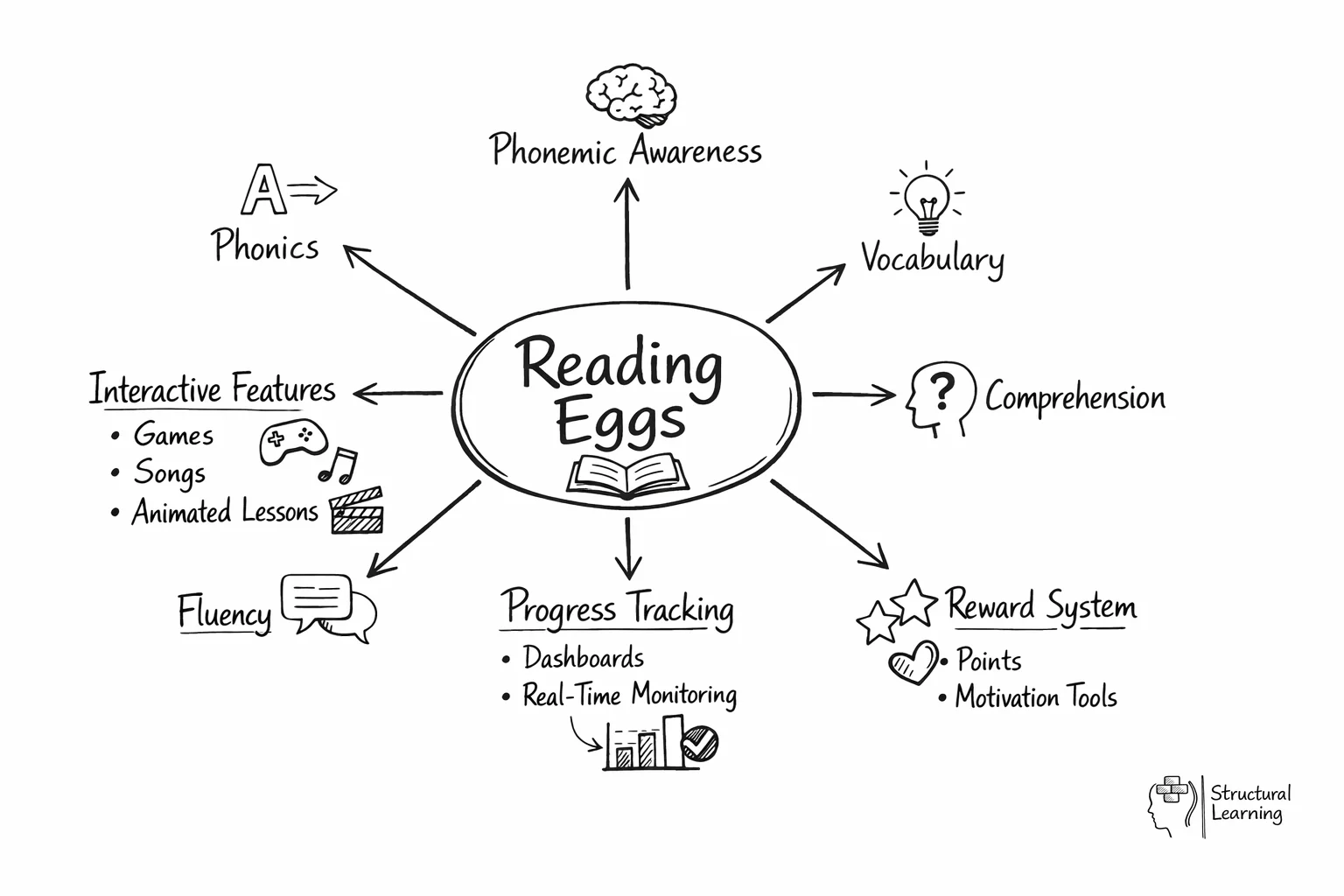
Hub diagram showing Reading Eggs at center with four key component areas branching outward
Hub-and-spoke diagram: Reading Eggs Platform Structure and Components

One of the biggest appeals of Reading Eggs is its balance of entertainment and education. Children are rewarded for completing lessons, earning points they can use within the platform, which keeps motivation high. This self-guided format became especially useful during periods of home learning, when many families needed reliable, curriculum-aligned support to keep their children's literacy on track.

Parents and teachers also have access to dashboards that show real-time progress, making it easy to identify what's working and where further support might be needed. It's this mix of structure, engagement, and visibility that makes Reading Eggs a strong contender for any home or classroom setting.

Three key things to know:

  • Reading Eggs supports all five essential components of early reading instruction.
  • It adapts to each child's ability level, helping them build confidence step by step.
  • Its game-like format makes learning to read feel like play, not pressure.
  • Reading eggs is an educational app that was created by an experienced team of primary school teachers, writers, and developers to help children become fluent and proficient readers.  The learning resource supports children's reading journey with carefully designed online reading games and activities that are easy to follow, self-paced, and highly engaging for young learners. Thus promotes learning in a fun-based and interactive manner. Reading Eggs inculcates Virtual Learning Environment. It is applicable for children in the age group of 2, 13. The screen video recording delivers instructional steps that augment the role of the teacher. Embedded into each lesson or interactive activities provide opportunities for children to practice reading skills.

    Reading Eggs is available on a Monthly App subscription. It is an interactive learning app based on

    • Phonics
    • Vocabulary
    • Sight words
    • Spelling
    • Math

    Meeting the individual needs of every child can be quite a challenge, technology solutions can enable us to monitor the progress of all the school students. How can a product like reading eggs promote learning?

    How Does Reading Eggs Help Children Learn to Read?

    Reading Eggs develops reading skills through structured lessons covering the five essential components: phonics, phonemic awareness, vocabulary, fluency, and comprehension. The platform uses animated lessons, games, and songs that adapt to each child's ability level, allowing them to progress at their own pace. Children earn rewards for completing lessons, which maintains high motivation while building foundational literacy skills.

    Reading Eggs is an online phonics program that helps children to become strong readers. It's a program that includes fun-filled levels where children get acquainted with all aspects of the English language including:

    • Sound recognition
    • The blending of letters
    • Spelling and grammar

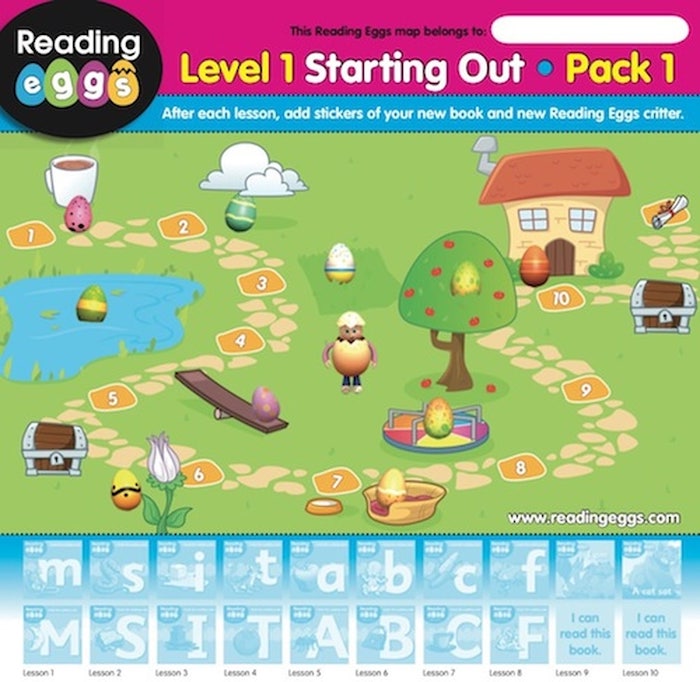
    There is no doubt that if used appropriately, games are a powerful resource for learning.  Reading eggs have games for children which are attractive and address many components of reading. These essential reading skills are wrapped in a playful approach that engages even the most reluctant readers. This type of approach is an effective way children can engage with number concepts without feeling overwhelmed. The fun activities and interactive reading games can be used to commit a child to achieving a particular learning goal. We know that giving a child access to these literacy skills early on in their education can have a profound effect on their learning. The learning programme claim to help children:
    • Enjoy, interact, have fun
    • Achieve milestones and competences
    • Improve their overall literacy performance
    • Collaborate
    • Develop pre-reading skills
    • Discuss their learning
    • Take initiative through self-regulation

    Using reading eggs to promote comprehension
    Using reading eggs to promote comprehension

    In doing so the child gets introduced to:

      /li>
    • Phonics and phonemic awareness
    • Vocabulary
    • Fluency
    • Comprehension

    What are the Challenges of Using Reading Eggs?

    While Reading Eggs offers numerous benefits, acknowledge potential challenges. One common concern is the reliance on screen time, which some educators and parents aim to limit. Balance digital learning with traditional methods like books and hands-on activities. Additionally, while the platform adapts to individual learning speeds, it's not a replacement for direct teacher interaction, especially for pupils who need more personalised support.

    Another thing to consider is cost. While a subscription can be affordable, the expense might be prohibitive for some schools or families. Weigh the cost against the potential literacy gains and explore possible funding avenues or school-wide licences.

    Screen time concerns represent another significant challenge, particularly for younger pupils. Many schools already struggle to balance digital learning with hands-on activities, and adding another computer-based programme can exacerbate these issues. Teachers must carefully consider how the platform fits within their overall technology use policies and ensure adequate time remains for physical books and traditional literacy activities.

    The structured approach, whilst beneficial for many children, may not suit pupils who thrive with more creative or exploratory learning methods. Some teachers find that the gamified elements can become distracting rather than motivating, particularly for children who become overly focused on earning rewards rather than mastering reading skills. This can lead to surface-level engagement where pupils rush through activities without properly consolidating their learning.

    Technical difficulties present ongoing implementation challenges that can disrupt classroom flow. Poor internet connectivity, outdated devices, or software glitches can create frustration for both teachers and pupils. Teachers often report spending valuable lesson time troubleshooting technical issues rather than focusing on learning outcomes, which can impact the overall effectiveness of this educational tool in supporting reading development.

    Is Reading Eggs Right for Your Classroom?

    Deciding whether Reading Eggs is a good fit for your classroom depends on your specific needs and circumstances. If you're looking for a structured, engaging way to support early literacy development, it's certainly worth considering. The platform's adaptability and comprehensive approach to the five key areas of reading can be a valuable asset. However, integrate it thoughtfully into your broader literacy strategy, ensuring a balanced approach that incorporates both digital and traditional learning methods.

    Before committing, explore the free trial to get a feel for the platform and assess whether it aligns with your teaching style and your pupils' learning preferences. Consider how you'll use the progress-tracking features to inform your instruction and provide targeted support. Ultimately, the most effective use of Reading Eggs involves careful planning, integration, and ongoing assessment to maximise its impact on your pupils' literacy development.

    Reading Eggs presents a compelling option for educators seeking to enhance early literacy instruction. By understanding its strengths, addressing potential challenges, and integrating it strategically, teachers can harness its power to help children become confident and proficient readers. Remember that technology is a tool, and its effectiveness hinges on how thoughtfully and purposefully it is used within a well-rounded educational approach.

    Further Reading: Key Research Papers

    These peer-reviewed studies form the evidence base for reading instruction and educational technology and its classroom applications. Each paper offers practical insights for teachers seeking to ground their practice in research.

    Visible learning: a synthesis of over 800 meta‐analyses relating to achievement View study ↗
    6,865 citations

    M. Carter (2008)

    Report of the National Reading Panel: Teaching children to read View study ↗

    National Reading Panel (2000)

    Differentiated Instruction as Strategy in Improving Reading Comprehension View study ↗
    11 citations

    Amalia Potot et al. (2010)

    What Does Reading Eggs Cost?

    Understanding the financial implications of digital literacy programmes requires careful consideration of both direct costs and long-term value. Most online reading platforms operate on annual subscription models, with pricing typically structured around pupil numbers or classroom licences. Schools should factor in potential additional costs such as device requirements, internet bandwidth upgrades, and staff training time when calculating the true investment needed for successful implementation.

    The cost-effectiveness of educational technology often depends on how well it aligns with existing teaching approaches and curriculum requirements. Research by Richard Mayer on multimedia learning suggests that digital tools deliver greatest value when they complement, rather than replace, established pedagogical practices. Schools with limited budgets should prioritise platforms that integrate smoothly with current literacy instruction, maximising learning outcomes per pound spent rather than simply seeking the lowest upfront cost.

    When evaluating pricing options, consider requesting trial periods or pilot programmes that allow teachers to assess real classroom impact before committing to full subscriptions. Many educational technology providers offer flexible payment terms or discounted rates for multi-year commitments, which can help schools manage budget constraints whilst securing consistent access to digital resources throughout pupils' learning journey.

    How to Implement Reading Eggs in Your Classroom

    Successful implementation of digital reading platforms requires careful planning and gradual integration into existing literacy routines. Begin by conducting a baseline assessment of your pupils' current reading levels and identifying specific learning objectives that align with your curriculum requirements. This initial evaluation ensures the platform complements rather than disrupts your established teaching approach, whilst providing measurable benchmarks for tracking progress.

    John Sweller's cognitive load theory demonstrates the importance of introducing new educational tools progressively to avoid overwhelming young learners. Start with short, structured sessions of 10-15 minutes, typically positioned after traditional reading instruction when pupils are familiar with core concepts. Establish clear expectations for behaviour and engagement, designating specific times for independent exploration versus guided activities. Consider organising pupils into mixed-ability pairs or small groups to encourage peer support and collaborative learning.

    Technical preparation proves equally crucial for smooth classroom integration. Ensure reliable internet connectivity and test all devices beforehand, creating backup activities for potential technical difficulties. Develop a simple rotation system that allows all pupils equitable access whilst maintaining focus on your primary learning outcomes. Regular monitoring and adjustment of implementation strategies based on pupil response and engagement levels will improve the platform's educational impact within your unique classroom environment.

    Which Year Groups Can Use Reading Eggs?

    Reading Eggs primarily serves pupils aged 2-13, spanning from Early Years Foundation Stage through to Year 8. The platform's structured progression begins with pre-reading skills for nursery-aged children and extends to more complex comprehension tasks suitable for Key Stage 2 and early Key Stage 3 pupils. This broad age range makes it particularly valuable for mixed-ability classrooms where teachers need differentiated content that can accommodate varying reading levels within a single year group.

    The platform's effectiveness varies significantly across different developmental stages. Research by Marilyn Adams on phonemic awareness suggests that systematic phonics instruction, which forms the foundation of early levels, proves most beneficial for Reception and Year 1 pupils. However, older struggling readers in Years 4-6 often benefit from revisiting these foundational skills through age-appropriate interfaces, whilst advanced Year 2-3 pupils can progress to comprehension-focused activities typically designed for older children.

    For classroom implementation, teachers should consider their pupils' reading ages rather than chronological ages when determining suitability. A Year 5 classroom might include children reading at Year 3 level alongside those approaching secondary school standards. The platform's adaptive assessment system helps identify appropriate starting points, though teachers must monitor progress closely to ensure content remains engaging and appropriately challenging for each pupil's developmental needs.

    Written by the Structural Learning Research Team

    Reviewed by Paul Main, Founder & Educational Consultant at Structural Learning

    Frequently Asked Questions

    What is Reading Eggs and how does it support early literacy?

    Reading Eggs is a digital learning platform designed to help children aged 2 to 13 develop foundational reading skills. It uses a structured sequence of interactive lessons and games to teach phonics, vocabulary, and comprehension. The programme is built on the science of reading and allows pupils to progress at a pace that matches their individual ability.

    How does the Reading Eggs reward system motivate reluctant readers?

    The platform uses a system of virtual rewards to keep pupils engaged with their learning. Children earn points and golden eggs for completing tasks; they can use these to customise their avatars or buy items for their virtual houses. This gamified approach helps to maintain high levels of motivation; especially for children who may find traditional reading activities difficult.

    How can teachers use Reading Eggs to provide targeted literacy support?

    Teachers can use real time data dashboards to monitor the progress of every student in their class. These reports highlight specific areas where a child is struggling, which enables the teacher to provide precise interventions. The platform also includes automated placement tests to ensure each learner begins at the correct level for their current skills.

    What does the research say about the impact of Reading Eggs on pupil progress?

    Studies from 2016 and 2017 indicate that regular use of the platform can lead to measurable gains in literacy performance. The data shows that schools using the programme effectively often see improvements in phonics screening results and overall reading ages. It provides a reliable way to track growth through built in assessment and reporting tools.

    What are the main challenges when implementing Reading Eggs in a primary school?

    One significant challenge is managing the total amount of screen time children experience during the school day. Educators must find a balance between digital activities and traditional reading using physical books to ensure a varied experience. Additionally, schools need to consider the ongoing cost of subscriptions and ensure staff are trained to interpret the data correctly.

    Which areas of reading instruction does the Reading Eggs platform cover?

    The platform covers the five essential components of reading instruction, which include phonics, phonemic awareness, vocabulary, fluency, and comprehension. It also provides resources for spelling, grammar, and sight word recognition through various levels of animated content. This wide coverage ensures that children develop the full range of skills needed to become proficient readers.

    How to Track Pupil Progress with Reading Eggs

    Effective assessment within digital reading programmes requires a systematic approach to data collection and analysis that informs daily teaching decisions. Regular monitoring of pupil progress enables teachers to identify learning gaps early and adjust instruction accordingly. Research by Dylan Wiliam on formative assessment demonstrates that frequent, low-stakes evaluation significantly improves learning outcomes when teachers use the data to modify their teaching approach immediately.

    The most valuable progress tracking focuses on both quantitative metrics and qualitative observations of pupil behaviour. Teachers should examine completion rates, accuracy scores, and time spent on activities alongside observational notes about engagement levels and problem-solving strategies. This dual approach provides a comprehensive picture of each pupil's development and helps identify whether difficulties stem from comprehension issues, technical challenges, or motivation factors.

    To maximise the educational value of assessment data, establish weekly review sessions where pupils reflect on their own progress and set personalised learning goals. Create simple tracking sheets that pupils can maintain themselves, developing metacognitive awareness whilst reducing teacher workload. Consider grouping pupils based on similar learning needs identified through the data, enabling targeted intervention and peer support strategies that address specific skill gaps in your classroom.


Loading audit...

What is Reading Eggs and How Does it Work?

With so many early literacy apps available, each promising to boost reading confidence and classroom readiness -it can be difficult to know which ones truly deliver. Among them, Reading Eggs has emerged as a widely used and highly regarded option for helping children learn to read through engaging, interactive content. Designed for early yearsand primary-age learners, it combines playful exploration with carefully structured lessons that build foundational reading skills step by step.

Key Takeaways

  1. Reading Eggs provides a comprehensive, research-aligned approach to foundational reading skills, directly addressing the five essential components of reading instruction. Its structured programme systematically develops phonemic awareness, phonics, fluency, vocabulary, and comprehension, which are critical for effective literacy acquisition as identified by the National Reading Panel (2000). This integrated approach ensures pupils receive balanced instruction vital for early reading success in the classroom.
  2. The gamified structure and reward system within Reading Eggs are highly effective in fostering pupil engagement and motivation, particularly for reluctant readers. By incorporating elements of challenge, immediate feedback, and virtual rewards, the platform taps into principles of self-determination theory, enhancing pupils' sense of competence and autonomy (Deci & Ryan, 2000). This sustained engagement can significantly improve consistent practise and learning outcomes in a classroom setting.
  3. Reading Eggs delivers explicit and systematic phonics instruction, a cornerstone of effective early literacy development. The programme's sequential lessons guide pupils through letter-sound correspondences and blending, which are crucial for decoding and word recognition, aligning with foundational research on how children learn to read (Adams, 1990). This systematic progression is essential for building a strong phonetic base, preventing later reading difficulties.
  4. Reading Eggs embodies key principles of the Science of Reading by offering a highly structured and explicit pedagogical framework for literacy instruction. Its carefully sequenced lessons and diagnostic assessments ensure that instruction is targeted and cumulative, reflecting the evidence-based understanding of how the brain learns to read (Moats, 2020). This systematic design supports teachers in delivering consistent, high-quality reading instruction aligned with current best practices.

Reading Eggs, sometimes called the Learn to Read app, is a multi-award-winning platform built around the science of how children learn to read. It focuses on five key areas of literacy: phonics, phonemic awareness, vocabulary, fluency, and comprehension. Through a series of animated lessons, games, and songs, children gradually move through levels that are tailored to their ability not their age allowing them to progress at their own pace.

Hub diagram showing Reading Eggs at center with four key component areas branching outward
Hub-and-spoke diagram: Reading Eggs Platform Structure and Components

One of the biggest appeals of Reading Eggs is its balance of entertainment and education. Children are rewarded for completing lessons, earning points they can use within the platform, which keeps motivation high. This self-guided format became especially useful during periods of home learning, when many families needed reliable, curriculum-aligned support to keep their children's literacy on track.

Parents and teachers also have access to dashboards that show real-time progress, making it easy to identify what's working and where further support might be needed. It's this mix of structure, engagement, and visibility that makes Reading Eggs a strong contender for any home or classroom setting.

Three key things to know:

  • Reading Eggs supports all five essential components of early reading instruction.
  • It adapts to each child's ability level, helping them build confidence step by step.
  • Its game-like format makes learning to read feel like play, not pressure.
  • Reading eggs is an educational app that was created by an experienced team of primary school teachers, writers, and developers to help children become fluent and proficient readers.  The learning resource supports children's reading journey with carefully designed online reading games and activities that are easy to follow, self-paced, and highly engaging for young learners. Thus promotes learning in a fun-based and interactive manner. Reading Eggs inculcates Virtual Learning Environment. It is applicable for children in the age group of 2, 13. The screen video recording delivers instructional steps that augment the role of the teacher. Embedded into each lesson or interactive activities provide opportunities for children to practice reading skills.

    Reading Eggs is available on a Monthly App subscription. It is an interactive learning app based on

    • Phonics
    • Vocabulary
    • Sight words
    • Spelling
    • Math

    Meeting the individual needs of every child can be quite a challenge, technology solutions can enable us to monitor the progress of all the school students. How can a product like reading eggs promote learning?

    How Does Reading Eggs Help Children Learn to Read?

    Reading Eggs develops reading skills through structured lessons covering the five essential components: phonics, phonemic awareness, vocabulary, fluency, and comprehension. The platform uses animated lessons, games, and songs that adapt to each child's ability level, allowing them to progress at their own pace. Children earn rewards for completing lessons, which maintains high motivation while building foundational literacy skills.

    Reading Eggs is an online phonics program that helps children to become strong readers. It's a program that includes fun-filled levels where children get acquainted with all aspects of the English language including:

    • Sound recognition
    • The blending of letters
    • Spelling and grammar

    There is no doubt that if used appropriately, games are a powerful resource for learning.  Reading eggs have games for children which are attractive and address many components of reading. These essential reading skills are wrapped in a playful approach that engages even the most reluctant readers. This type of approach is an effective way children can engage with number concepts without feeling overwhelmed. The fun activities and interactive reading games can be used to commit a child to achieving a particular learning goal. We know that giving a child access to these literacy skills early on in their education can have a profound effect on their learning. The learning programme claim to help children:

    • Enjoy, interact, have fun
    • Achieve milestones and competences
    • Improve their overall literacy performance
    • Collaborate
    • Develop pre-reading skills
    • Discuss their learning
    • Take initiative through self-regulation

    Using reading eggs to promote comprehension
    Using reading eggs to promote comprehension

    In doing so the child gets introduced to:

      /li>
    • Phonics and phonemic awareness
    • Vocabulary
    • Fluency
    • Comprehension

    What are the Challenges of Using Reading Eggs?

    While Reading Eggs offers numerous benefits, acknowledge potential challenges. One common concern is the reliance on screen time, which some educators and parents aim to limit. Balance digital learning with traditional methods like books and hands-on activities. Additionally, while the platform adapts to individual learning speeds, it's not a replacement for direct teacher interaction, especially for pupils who need more personalised support.

    Another thing to consider is cost. While a subscription can be affordable, the expense might be prohibitive for some schools or families. Weigh the cost against the potential literacy gains and explore possible funding avenues or school-wide licences.

    Screen time concerns represent another significant challenge, particularly for younger pupils. Many schools already struggle to balance digital learning with hands-on activities, and adding another computer-based programme can exacerbate these issues. Teachers must carefully consider how the platform fits within their overall technology use policies and ensure adequate time remains for physical books and traditional literacy activities.

    The structured approach, whilst beneficial for many children, may not suit pupils who thrive with more creative or exploratory learning methods. Some teachers find that the gamified elements can become distracting rather than motivating, particularly for children who become overly focused on earning rewards rather than mastering reading skills. This can lead to surface-level engagement where pupils rush through activities without properly consolidating their learning.

    Technical difficulties present ongoing implementation challenges that can disrupt classroom flow. Poor internet connectivity, outdated devices, or software glitches can create frustration for both teachers and pupils. Teachers often report spending valuable lesson time troubleshooting technical issues rather than focusing on learning outcomes, which can impact the overall effectiveness of this educational tool in supporting reading development.

    Is Reading Eggs Right for Your Classroom?

    Deciding whether Reading Eggs is a good fit for your classroom depends on your specific needs and circumstances. If you're looking for a structured, engaging way to support early literacy development, it's certainly worth considering. The platform's adaptability and comprehensive approach to the five key areas of reading can be a valuable asset. However, integrate it thoughtfully into your broader literacy strategy, ensuring a balanced approach that incorporates both digital and traditional learning methods.

    Before committing, explore the free trial to get a feel for the platform and assess whether it aligns with your teaching style and your pupils' learning preferences. Consider how you'll use the progress-tracking features to inform your instruction and provide targeted support. Ultimately, the most effective use of Reading Eggs involves careful planning, integration, and ongoing assessment to maximise its impact on your pupils' literacy development.

    Reading Eggs presents a compelling option for educators seeking to enhance early literacy instruction. By understanding its strengths, addressing potential challenges, and integrating it strategically, teachers can harness its power to help children become confident and proficient readers. Remember that technology is a tool, and its effectiveness hinges on how thoughtfully and purposefully it is used within a well-rounded educational approach.

    Further Reading: Key Research Papers

    These peer-reviewed studies form the evidence base for reading instruction and educational technology and its classroom applications. Each paper offers practical insights for teachers seeking to ground their practice in research.

    Visible learning: a synthesis of over 800 meta‐analyses relating to achievement View study ↗
    6,865 citations

    M. Carter (2008)

    Report of the National Reading Panel: Teaching children to read View study ↗

    National Reading Panel (2000)

    Differentiated Instruction as Strategy in Improving Reading Comprehension View study ↗
    11 citations

    Amalia Potot et al. (2010)

    What Does Reading Eggs Cost?

    Understanding the financial implications of digital literacy programmes requires careful consideration of both direct costs and long-term value. Most online reading platforms operate on annual subscription models, with pricing typically structured around pupil numbers or classroom licences. Schools should factor in potential additional costs such as device requirements, internet bandwidth upgrades, and staff training time when calculating the true investment needed for successful implementation.

    The cost-effectiveness of educational technology often depends on how well it aligns with existing teaching approaches and curriculum requirements. Research by Richard Mayer on multimedia learning suggests that digital tools deliver greatest value when they complement, rather than replace, established pedagogical practices. Schools with limited budgets should prioritise platforms that integrate smoothly with current literacy instruction, maximising learning outcomes per pound spent rather than simply seeking the lowest upfront cost.

    When evaluating pricing options, consider requesting trial periods or pilot programmes that allow teachers to assess real classroom impact before committing to full subscriptions. Many educational technology providers offer flexible payment terms or discounted rates for multi-year commitments, which can help schools manage budget constraints whilst securing consistent access to digital resources throughout pupils' learning journey.

    How to Implement Reading Eggs in Your Classroom

    Successful implementation of digital reading platforms requires careful planning and gradual integration into existing literacy routines. Begin by conducting a baseline assessment of your pupils' current reading levels and identifying specific learning objectives that align with your curriculum requirements. This initial evaluation ensures the platform complements rather than disrupts your established teaching approach, whilst providing measurable benchmarks for tracking progress.

    John Sweller's cognitive load theory demonstrates the importance of introducing new educational tools progressively to avoid overwhelming young learners. Start with short, structured sessions of 10-15 minutes, typically positioned after traditional reading instruction when pupils are familiar with core concepts. Establish clear expectations for behaviour and engagement, designating specific times for independent exploration versus guided activities. Consider organising pupils into mixed-ability pairs or small groups to encourage peer support and collaborative learning.

    Technical preparation proves equally crucial for smooth classroom integration. Ensure reliable internet connectivity and test all devices beforehand, creating backup activities for potential technical difficulties. Develop a simple rotation system that allows all pupils equitable access whilst maintaining focus on your primary learning outcomes. Regular monitoring and adjustment of implementation strategies based on pupil response and engagement levels will improve the platform's educational impact within your unique classroom environment.

    Which Year Groups Can Use Reading Eggs?

    Reading Eggs primarily serves pupils aged 2-13, spanning from Early Years Foundation Stage through to Year 8. The platform's structured progression begins with pre-reading skills for nursery-aged children and extends to more complex comprehension tasks suitable for Key Stage 2 and early Key Stage 3 pupils. This broad age range makes it particularly valuable for mixed-ability classrooms where teachers need differentiated content that can accommodate varying reading levels within a single year group.

    The platform's effectiveness varies significantly across different developmental stages. Research by Marilyn Adams on phonemic awareness suggests that systematic phonics instruction, which forms the foundation of early levels, proves most beneficial for Reception and Year 1 pupils. However, older struggling readers in Years 4-6 often benefit from revisiting these foundational skills through age-appropriate interfaces, whilst advanced Year 2-3 pupils can progress to comprehension-focused activities typically designed for older children.

    For classroom implementation, teachers should consider their pupils' reading ages rather than chronological ages when determining suitability. A Year 5 classroom might include children reading at Year 3 level alongside those approaching secondary school standards. The platform's adaptive assessment system helps identify appropriate starting points, though teachers must monitor progress closely to ensure content remains engaging and appropriately challenging for each pupil's developmental needs.

    Written by the Structural Learning Research Team

    Reviewed by Paul Main, Founder & Educational Consultant at Structural Learning

    Frequently Asked Questions

    What is Reading Eggs and how does it support early literacy?

    Reading Eggs is a digital learning platform designed to help children aged 2 to 13 develop foundational reading skills. It uses a structured sequence of interactive lessons and games to teach phonics, vocabulary, and comprehension. The programme is built on the science of reading and allows pupils to progress at a pace that matches their individual ability.

    How does the Reading Eggs reward system motivate reluctant readers?

    The platform uses a system of virtual rewards to keep pupils engaged with their learning. Children earn points and golden eggs for completing tasks; they can use these to customise their avatars or buy items for their virtual houses. This gamified approach helps to maintain high levels of motivation; especially for children who may find traditional reading activities difficult.

    How can teachers use Reading Eggs to provide targeted literacy support?

    Teachers can use real time data dashboards to monitor the progress of every student in their class. These reports highlight specific areas where a child is struggling, which enables the teacher to provide precise interventions. The platform also includes automated placement tests to ensure each learner begins at the correct level for their current skills.

    What does the research say about the impact of Reading Eggs on pupil progress?

    Studies from 2016 and 2017 indicate that regular use of the platform can lead to measurable gains in literacy performance. The data shows that schools using the programme effectively often see improvements in phonics screening results and overall reading ages. It provides a reliable way to track growth through built in assessment and reporting tools.

    What are the main challenges when implementing Reading Eggs in a primary school?

    One significant challenge is managing the total amount of screen time children experience during the school day. Educators must find a balance between digital activities and traditional reading using physical books to ensure a varied experience. Additionally, schools need to consider the ongoing cost of subscriptions and ensure staff are trained to interpret the data correctly.

    Which areas of reading instruction does the Reading Eggs platform cover?

    The platform covers the five essential components of reading instruction, which include phonics, phonemic awareness, vocabulary, fluency, and comprehension. It also provides resources for spelling, grammar, and sight word recognition through various levels of animated content. This wide coverage ensures that children develop the full range of skills needed to become proficient readers.

    How to Track Pupil Progress with Reading Eggs

    Effective assessment within digital reading programmes requires a systematic approach to data collection and analysis that informs daily teaching decisions. Regular monitoring of pupil progress enables teachers to identify learning gaps early and adjust instruction accordingly. Research by Dylan Wiliam on formative assessment demonstrates that frequent, low-stakes evaluation significantly improves learning outcomes when teachers use the data to modify their teaching approach immediately.

    The most valuable progress tracking focuses on both quantitative metrics and qualitative observations of pupil behaviour. Teachers should examine completion rates, accuracy scores, and time spent on activities alongside observational notes about engagement levels and problem-solving strategies. This dual approach provides a comprehensive picture of each pupil's development and helps identify whether difficulties stem from comprehension issues, technical challenges, or motivation factors.

    To maximise the educational value of assessment data, establish weekly review sessions where pupils reflect on their own progress and set personalised learning goals. Create simple tracking sheets that pupils can maintain themselves, developing metacognitive awareness whilst reducing teacher workload. Consider grouping pupils based on similar learning needs identified through the data, enabling targeted intervention and peer support strategies that address specific skill gaps in your classroom.

Learning Tools

Back to Blog

<script type="application/ld+json">{"@context":"https://schema.org","@graph":[{"@type":"Article","@id":"https://www.structural-learning.com/post/reading-eggs-a-guide-for-teachers#article","headline":"Reading Eggs: Is It Right for Your Classroom?","description":"Complete 2025 guide to Reading Eggs for UK schools. Early literacy programme for ages 2-13 with pricing, phonics teaching and implementation tips.","datePublished":"2021-12-13T18:11:50.891Z","dateModified":"2026-03-02T11:01:36.626Z","author":{"@type":"Person","name":"Paul Main","url":"https://www.structural-learning.com/team/paulmain","jobTitle":"Founder & Educational Consultant"},"publisher":{"@type":"Organization","name":"Structural Learning","url":"https://www.structural-learning.com","logo":{"@type":"ImageObject","url":"https://cdn.prod.website-files.com/5b69a01ba2e409e5d5e055c6/6040bf0426cb415ba2fc7882_newlogoblue.svg"}},"mainEntityOfPage":{"@type":"WebPage","@id":"https://www.structural-learning.com/post/reading-eggs-a-guide-for-teachers"},"image":"https://cdn.prod.website-files.com/5b69a01ba2e409501de055d1/69732acc3dc9cca2b2994587_69732ac6aa7d914c96ad9ff3_reading-eggs-a-guide-for-teachers-illustration.webp","wordCount":2257},{"@type":"BreadcrumbList","@id":"https://www.structural-learning.com/post/reading-eggs-a-guide-for-teachers#breadcrumb","itemListElement":[{"@type":"ListItem","position":1,"name":"Home","item":"https://www.structural-learning.com/"},{"@type":"ListItem","position":2,"name":"Blog","item":"https://www.structural-learning.com/blog"},{"@type":"ListItem","position":3,"name":"Reading Eggs: Is It Right for Your Classroom?","item":"https://www.structural-learning.com/post/reading-eggs-a-guide-for-teachers"}]}]}</script>